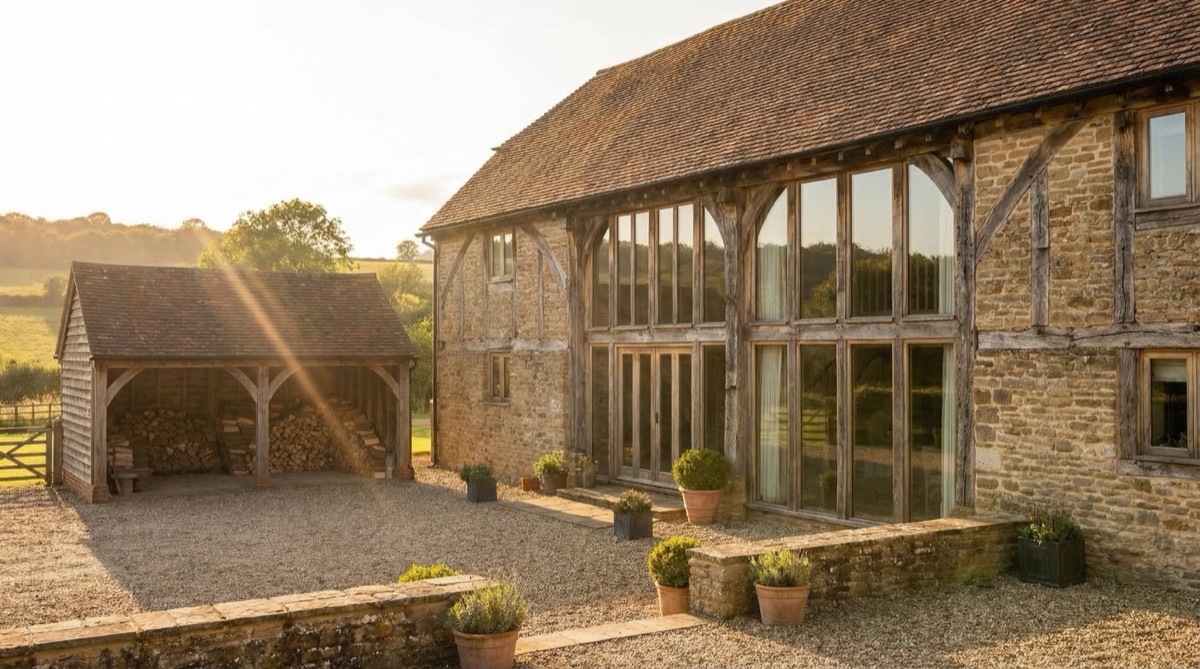
Barn and Agricultural Conversions: Turning Farm Buildings into Homes
Convert agricultural buildings into residential space. Learn about planning rules, structural challenges, building regulations, and creating beautiful homes from barns.
Barn and Agricultural Building Conversions
Barn and agricultural building conversions present unique opportunities to create characterful homes from historic structures while preserving rural landscape and buildings. However, conversions involve complex planning considerations, significant structural challenges, and substantial investment. This comprehensive guide explores planning regulations, structural assessments, building regulations requirements, and how to successfully convert barns and farm buildings into beautiful, functional homes.
Planning Permission for Agricultural Conversions
Residential Conversion Constraints: Planning permission for converting agricultural buildings to residential use is significantly constrained, particularly in areas outside development boundaries. Many local authorities resist residential conversion of barns in countryside locations, trying to prevent sprawl. However, some areas support rural conversion through specific policies encouraging sustainable rural development.
Location Considerations: Barns and agricultural buildings in market towns or within settlement boundaries may gain permission more readily than those in remote countryside. Building history (long-standing structures) and architectural merit can support planning cases. Professional planning advice assessing your specific building and location is essential.
Permitted Development Exceptions: Some agricultural buildings may qualify for permitted development rights to residential use under specific government schemes (such as Class Q rights allowing limited residential conversion of certain buildings). However, restrictions apply: limited floor area (up to 500sqm), requirement that original building is at least 25 years old, and compliance with other conditions. Professional planning advice clarifies whether your building qualifies.
Structural Assessment and Challenges
Structural Survey: Before designing any conversion, obtain detailed structural survey by qualified engineer. Barns and agricultural buildings often have: significant structural defects (rot, insect damage, settlement), inadequate foundations (shallow or missing), and deteriorated roof structures. These issues must be identified and assessed before planning design.
Foundations: Many agricultural buildings have inadequate foundations designed for agricultural use but unsuitable for residential. Upgrading foundations (underpinning, new strengthened foundations) is costly (£20,000-50,000+) but essential for structural safety and building regulations compliance.
Structural Repairs: Deteriorated timbers, roof members, and walls often require repair or replacement. Cost depends on extent of damage but significant structural repairs (£10,000-40,000+) are common. Professional structural design specifies required repairs.
Load-Bearing Capacity: Original structures must be assessed for load capacity. Creating multiple internal floors, adding bathrooms and kitchens, and installing modern systems changes loading. Structural analysis ensures existing elements can support new uses or identifies necessary reinforcement.
Architectural Design and Listed Building Status
Heritage Considerations: Many barns and agricultural buildings are listed or located in conservation areas. Listed status requires sensitive design respecting historic features and materials. Listed building consent (separate from planning permission) is required for many modifications. Professional heritage design is essential for listed buildings.
Character Preservation: Successful conversions preserve character-defining features: original timber frames (exposed when possible), historic materials, traditional proportions, and authentic fenestration. Design should respect the building's history while accommodating modern comfort standards. This balance challenges designers and requires skillful architectural approach.
Modern Interventions: Within heritage constraints, contemporary design creating clear distinction between historic fabric and modern additions can work well. Large contemporary glazing, modern materials in new insertions, and careful detailing of new elements create respectful contrast rather than trying to mimic historic architecture with modern materials.
Building Regulations Compliance for Conversions
Thermal Performance: Converting agricultural buildings to residential creates obligation to meet current building regulations thermal standards. This typically requires substantial insulation installation (100-150mm in walls, 150-200mm in roofs). Achieving required standards in buildings with solid construction (stone, brick without cavities) requires internal insulation reducing interior space.
Fire Safety: Residential buildings have stricter fire safety requirements than agricultural buildings. Means of escape, fire detection systems, and structural fire resistance must comply. These requirements significantly impact design and costs.
Ventilation and Services: Modern residential standards require mechanical ventilation, adequate water supply and drainage, proper electrical installation, and heating systems. Infrastructure installation in rural barns (particularly those lacking services) can be complex and costly.
Accessibility: New residential buildings must be accessible. This may require ramps, accessible bathrooms, and other accessible features. Historic buildings may have exemptions for impractical modifications, but accessibility considerations still apply.
Services and Infrastructure
Water Supply: Rural properties may lack mains water supply. Options include: mains connection (if available, potentially £5,000-20,000 to connect), boreholes (£3,000-8,000), or water tanks (ongoing supply sourcing). Reliable water supply is essential — feasibility must be confirmed early.
Drainage: Similarly, mains foul drainage may be unavailable. Options include: mains connection (if available), septic tanks (£4,000-10,000), or constructed treatment wetlands. Professional environmental assessment determines appropriate drainage solution. Drainage must comply with environmental regulations protecting watercourses.
Electricity: Mains electricity may be absent or distant. Connection costs (£1,000-5,000+) depend on distance. Underground cables avoid overhead lines. Off-grid solar or wind systems are options but require larger investment and ongoing maintenance.
Heating: Mains gas is typically unavailable in rural areas. Options include: oil boilers (storage required, fuel delivery infrastructure), LPG (bottled gas), biomass (wood burning systems), or air-source heat pumps. Heat pump efficiency varies with climate; biomass requires fuel storage and supply. Design system matching rural location constraints.
Parking and Outdoor Space
Parking Requirements: Planning authorities typically require parking provision (usually 1-2 spaces per dwelling). Historic barn locations may lack space for parking. Some authorities accept shared parking areas or permit waivers for listed buildings where parking provision would harm character. Professional planning assessment clarifies parking requirements.
Garden and Amenity Space: Planning policy often requires gardens or amenity space. Rural barns often sit on substantial land allowing gardens. However, if barn is surrounded by agricultural land, defining usable garden space can be challenging.
Cost Estimates for Barn Conversions
Simple Barn Conversion (100sqm): £120,000-180,000 including structural repairs, basic modern systems, and standard finishes. Assumes moderate structural condition and no services connection.
Significant Conversion (150sqm, poor condition): £180,000-300,000+ including substantial structural repairs, services connections, and modern systems integration. Reflects realistic costs including unexpected issues common in deteriorated buildings.
Premium Heritage Conversion (200sqm, listed): £300,000-500,000+ with extensive restoration, heritage conservation, and high-quality finishes. Reflects heritage design expertise and quality standards for significant conversions.
Total Cost Per Square Metre: £1,200-2,500 depending on building condition, location, and design ambition. Compare to new build costs of £1,500-2,500 per sqm — conversions can be cost-competitive while preserving character.
Common Challenges in Barn Conversions
Unforeseen Structural Issues: Many barns reveal hidden structural problems during conversion. Budget 10-15% contingency for unexpected structural work.
Services Infrastructure: Installing modern services in historic structures is complex. Plan for infrastructure costs and potential disruption to historic fabric.
Planning Delays: Complex barn conversions can face lengthy planning processes. Professional planning advice and community engagement support smoother approvals. Budget time accordingly.
Cost Overruns: Barn conversions frequently exceed budget due to structural surprises. Conservative budgeting and staged decision-making (approval before proceeding with expensive work) help manage costs.
Successful Barn Conversion Principles
Professional Advice Early: Engage architects and surveyors early to understand condition, costs, and feasibility. Structural surveys and professional planning assessment should be completed before commitment.
Quality Design and Craftsmanship: Successful conversions invest in quality design and craftsmanship. Sensitive material selection, skilled contractors, and attention to detail create beautiful results.
Heritage Respect: Conversions that respect historic fabric and character create more compelling homes and face fewer planning objections. Modern amenity and historic charm create unique dwellings.
Realistic Budgeting: Conservative cost estimates, adequate contingency, and phased decisions protect against unexpected costs undermining project viability.
Patience and Flexibility: Barn conversions require patience through planning and construction. Flexibility in design responding to site conditions and unforeseen issues results in better outcomes than rigid adherence to plans requiring expensive modifications.
Value and Return on Investment
Successful barn conversions typically recover 70-90% of investment in property value. Beyond financial returns, creating homes from historic structures preserves rural heritage and prevents abandonment of historic buildings. The unique character and setting of barn conversions appeals to buyers seeking distinctive properties with historical significance and rural amenity.
Explore More House Extension Design Options
Related Articles
Comprehensive guide to house extension planning permission in 2024. Learn about costs, timelines, planning applications, and what to expect from professional house extension specialists.
Discover the key advantages of choosing professional house extension services. From cost savings to creative solutions, learn why specialists are essential for successful projects.
Complete guide to house extension costs in the UK. Learn about fee structures, budgeting tips, and how to get maximum value from your house extension investment.
Ready to Get Started?
Home Extensions Now Team
Our expert team of architectural design specialists brings decades of combined experience in UK house extension design and planning services for residential and commercial projects. We're committed to providing clear, actionable insights to help you make informed decisions about your home extension projects.
Ready to Plan Your Home Extension?
Whether you're planning a single-storey extension, renovation project, or complete home redesign, our house extension design solutions can help you build quickly and confidently.