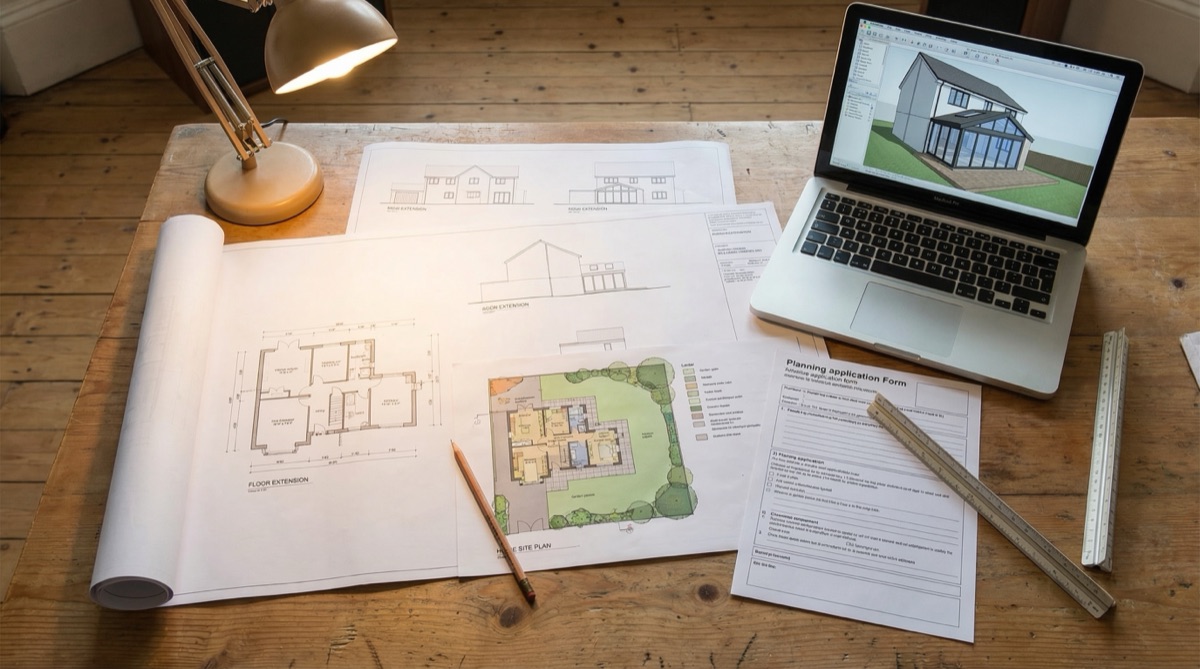
Complete Guide to House Extension Planning Permission in 2024: Everything You Need to Know
Comprehensive guide to house extension planning permission in 2024. Learn about costs, timelines, planning applications, and what to expect from professional house extension specialists.
Understanding House Extension Planning Permission in 2024
House extension planning permission has evolved significantly in 2024, with new regulations, policies, and client expectations shaping the industry. Whether you're planning a single storey extension, double storey extension, or loft conversion, understanding the full scope of planning requirements is crucial for project success. The process of obtaining planning permission involves multiple stages, regulatory bodies, and careful documentation to ensure your project meets all legal requirements and gains approval from local planning authorities.
What Are House Extension Planning Requirements?
House extension planning permission encompasses the complete process of obtaining approval for extending your home. Professional house extension specialists combine technical expertise with local knowledge to deliver solutions that meet both functional requirements and planning policies. In 2024, these requirements have expanded to include sustainability assessments, energy efficiency standards, and integrated project management. Understanding planning permission is essential because it forms the legal foundation for your entire project. Without proper planning approval, you face penalties, enforcement action, and difficulty selling the property.
The planning system in the UK is designed to balance the needs of individual homeowners with broader community interests. Planning authorities consider factors such as impact on neighbouring properties, conservation of the local environment, and compliance with the local development plan. Each local authority has its own planning policies and priorities, which is why professional guidance is invaluable in navigating these requirements.
Core Services Offered by Professional House Extension Specialists
Initial Consultation and Feasibility Studies: Every successful project begins with a thorough assessment of your site, requirements, and constraints. House extension specialists conduct detailed feasibility studies to determine project viability, identify potential challenges, and provide realistic timelines and budgets. This phase involves site analysis, review of local planning policies, assessment of building constraints, and discussion of your objectives and aspirations for the project.
Concept Design Development: This phase involves translating your vision into initial design concepts. Specialists create multiple design options, considering factors such as site orientation, local planning policies, and your specific requirements. Modern practices use 3D modeling and virtual reality to help clients visualize their projects before construction begins. Design options typically explore different configurations, materials, and spatial arrangements to identify the optimal solution for your needs and constraints.
Planning Application Management: Navigating the UK planning system requires expert knowledge of local policies, building regulations, and submission requirements. Professional house extension specialists handle all aspects of planning applications, from initial submissions to addressing planning officer concerns and managing appeals if necessary. They prepare comprehensive planning documents including design statements, heritage assessments, structural reports, and environmental considerations that support your application and increase the likelihood of approval.
Pre-Application Consultation: Before submitting a formal planning application, specialists often engage with planning officers to discuss your proposals informally. These pre-application discussions can identify potential concerns early and allow design modifications before formal submission. This proactive approach often results in smoother approval processes and fewer requests for amendments.
Building Regulations and Technical Drawings
Detailed technical drawings are essential for building regulations approval and construction. These drawings include structural details, electrical layouts, plumbing systems, and specifications for materials and finishes. In 2024, specialists increasingly use Building Information Modeling (BIM) to create comprehensive digital models that improve accuracy and reduce construction errors. Building regulations ensure that your extension meets minimum standards for safety, health, and energy efficiency. Technical drawings must show compliance with these regulations and provide sufficient detail for builders to construct the extension to the required standard.
Building regulations approval involves submission of detailed designs to your local authority's building control team. They assess the drawings against current building regulations, which in 2024 include increasingly stringent energy efficiency requirements. Your specialist will coordinate with building control throughout the process, addressing any concerns and ensuring full compliance before construction commences.
Project Management and Construction Support
Many house extension practices now offer comprehensive project management services, overseeing the entire construction process from start to finish. This includes contractor selection, progress monitoring, quality control, and ensuring compliance with building regulations throughout construction. A good project manager coordinates all tradespeople, manages timelines and budgets, and ensures the completed extension matches the approved designs and specifications. They act as your representative on site, liaising between you and the builder, and ensuring issues are resolved promptly.
Costs and Investment Considerations
House extension fees typically range from 8-15% of total construction costs, depending on project complexity and scope of services. While this may seem significant, professional extension services often save clients money through optimized designs, efficient space planning, and avoiding costly mistakes during construction. A typical 25 square metre extension costing £70,000 might involve design and planning fees of £5,600-£10,500. These fees represent excellent value considering they cover design development, planning applications, building regulations approvals, and project management through to completion.
The investment in professional services is further justified by increased property values. Well-designed extensions command higher market values, with homeowners typically recovering 70-90% of extension costs through increased property value. Poor design or construction defects can significantly reduce returns on investment, making professional guidance a sound financial decision.
Choosing the Right House Extension Specialist
When selecting a house extension specialist, consider their experience with similar projects, local knowledge, and track record with planning applications. Look for practices that are registered with appropriate professional bodies and have appropriate professional indemnity insurance. Many successful practices specialize in specific sectors such as residential extensions, loft conversions, or heritage projects. Ask for references from previous clients and examples of completed projects similar to what you're planning.
Key credentials to look for include RIBA registration (Royal Institute of British Architects), ARB registration (Architects Registration Board), or RICS registration (Royal Institution of Chartered Surveyors). These professional bodies maintain standards and provide insurance protection. Interview multiple specialists and compare their approaches, fee structures, and vision for your project before making a final decision.
Planning Timeline and Approval Processes
Understanding the timeline for planning approval is essential for project scheduling. In London and across the UK, planning applications typically take 8-13 weeks for determination, though complex applications may take longer. The first stage involves validation, which takes 5 working days. During this period, planning officers check that your application is complete and includes all necessary supporting documents. Incomplete applications are returned, adding weeks to the overall timeline. Professional specialists ensure applications are properly validated on first submission, avoiding these delays.
After validation, the planning officer prepares a recommendation report, which typically takes 4-6 weeks. During this time, they consult with internal departments such as highways, environmental health, and drainage. They also assess neighbor consultations and any representations received. Complex applications involving heritage considerations, tree surveys, or environmental assessments may require specialist input, extending this timeline. Once the officer's report is complete, your application appears on the planning committee agenda. For applications recommended for approval, this usually results in quick permission. For contentious applications recommended for refusal, you may have the opportunity to address the committee before they vote.
Common Planning Challenges and How to Overcome Them
Several common issues can delay or jeopardize planning approvals. Design that fails to respond to the local character and context of the area is a frequent cause of refusal. Planning authorities, particularly in London Conservation Areas and other sensitive locations, are increasingly protective of local character. Professional specialists address this by undertaking careful analysis of the surrounding area, understanding the design principles and precedents that have shaped the neighborhood, and creating designs that are sympathetic to local character while delivering modern functionality.
Overlooking neighbor amenity impacts is another common issue. This includes loss of light, privacy, or overbearing visual impact. Careful design that considers sightlines from neighboring windows, positions the extension to minimize shadow impact, and incorporates appropriate boundaries and screening can address these concerns. Many planning refusals could have been avoided with better neighbor consultation at the design stage. Professional specialists often recommend early informal consultation with affected neighbors, which can identify concerns and allow design modifications before formal submission.
Heritage constraints present particular challenges. If your property is listed, within a Conservation Area, or near heritage assets, planning authorities impose stricter requirements for design quality and heritage impact assessment. These applications require specialists with specific heritage expertise and detailed understanding of heritage planning policy. The investment in appropriate heritage expertise typically results in higher-quality approvals and buildings that genuinely enhance heritage settings.
The Future of House Extensions
As we move through 2024, house extensions continue to embrace sustainable practices, smart home technologies, and innovative construction methods. Forward-thinking specialists integrate energy-efficient design principles, renewable energy systems, and sustainable materials into their projects, creating buildings that are both beautiful and environmentally responsible. The government's focus on net-zero carbon emissions and improved building energy standards means future extensions will increasingly incorporate heat pumps, solar panels, and passive house design principles.
Investing in professional house extension services ensures your project benefits from expert knowledge, creative solutions, and comprehensive project management. With the right specialist team, your vision can become a reality that exceeds expectations while staying within budget and timeline constraints. The decision to invest in professional services typically results in a better quality extension, smoother planning process, and higher long-term property value.
The London extension breakdown, in your inbox
One thoughtful piece a week on what extensions actually cost in London, what councils are approving, and the mistakes worth avoiding. No fluff, no spam, unsubscribe in one click.
We'll only email you about London extensions. Unsubscribe any time.
Explore More House Extension Design Options
Related Articles
Discover the key advantages of choosing professional house extension services. From cost savings to creative solutions, learn why specialists are essential for successful projects.
Complete guide to house extension costs in the UK. Learn about fee structures, budgeting tips, and how to get maximum value from your house extension investment.
Navigate the planning application process successfully. Learn each step from feasibility checks through approval, including timelines, common issues, and how to improve approval chances.
Ready to Get Started?
Henry Lewis
Henry Lewis covers UK home extensions, planning permission, and renovation for Home Extensions Now. He has spent the last decade writing about property and the British housing stock, with a particular focus on how London homeowners navigate the planning system and get the most from their builds.
Ready to Plan Your Home Extension?
Whether you're planning a single-storey extension, renovation project, or complete home redesign, our house extension design solutions can help you build quickly and confidently.