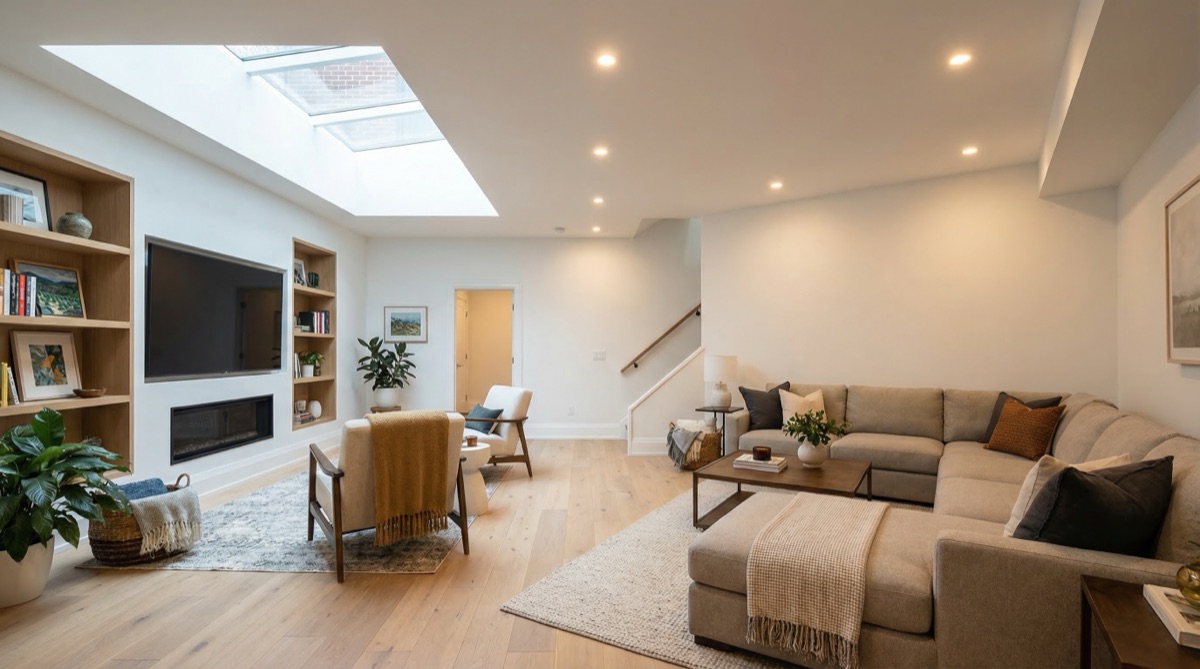
Basement Conversions and Underground Extensions: Creating Lower Level Spaces
Design and build basement extensions and conversions. Learn about excavation, waterproofing, ventilation, and creating functional underground living spaces.
Basement Conversions and Underground Extensions
Basement extensions and underground conversions add substantial living space without extending the property's footprint, valuable in space-constrained urban areas. However, these specialized projects involve significant technical challenges: excavation, waterproofing, ventilation, and structural design. This comprehensive guide explores feasibility assessment, design considerations, technical challenges, and how to successfully create functional, comfortable underground living spaces.
Feasibility Assessment
Ground Conditions Survey: The first step is professional ground conditions survey identifying soil type, groundwater levels, existing services, and neighboring building foundations. Poor ground conditions (high water table, unstable soils, nearby utilities) can make basements unfeasible or extremely costly. Professional surveys (£2,000-4,000) are essential before committing significant resources.
Neighboring Property Impact: Excavation can affect neighboring properties. Structural surveys of neighbors' buildings assess current condition and establish baseline before work. Party wall matters apply to basement work affecting shared boundaries. Professional geotechnical and structural advice ensures neighboring properties are protected.
Building Regulations Feasibility: Modern building regulations require basements meet safety, ventilation, and light standards. Some constrained sites cannot meet these requirements, making basements impossible. Professional design assessment determines whether your site can accommodate compliant basement.
Structural Design and Excavation
Excavation Methods: Options include: open excavation (temporary slopes) suitable for larger sites with space, piled retention systems (steel or reinforced concrete piles supporting soil) for space-constrained sites, sheet piling (steel sheets driven into ground forming containment), or sprayed concrete retention (in situ concrete applied to excavation face). Method selection depends on site space, ground conditions, and budget. Retention systems cost £2,000-5,000 per linear meter — substantial for larger basements.
Structural Design: Basement structures must resist hydrostatic pressure (water pressure from surrounding ground) and carry loads of the building above. This typically requires reinforced concrete "tanking" (waterproof envelope) with robust structure. Design complexity and costs are substantial. Shallow basements under part of the building are simpler than deep full-building basements.
Underpinning: If existing building foundations don't extend as deep as the basement, existing foundations must be underpinned (strengthened and extended deeper). This is disruptive, complex work adding significant cost. Avoid if possible through careful basement depth planning.
Waterproofing: The Critical Challenge
Water Management: Basements face constant water pressure from surrounding ground. Complete, long-term waterproofing is non-negotiable. Even small leaks cause water damage and mold growth. Waterproofing approaches include:
Hydrophobic Concrete Tanking: Reinforced concrete structure with integral water-repellent admixtures and external waterproofing membranes. This is most common approach, using layered waterproofing including external membranes and internal sealants. Cost is approximately £150-250 per square meter of basement area for waterproofing materials and installation.
Cavity Drainage Systems: Creating a drainage cavity between the structure and finished interior allows any water penetration to drain away. This approach is popular for retrofitting basements as existing structures don't require replacement. Water is collected and drained to sumps or exterior drainage.
Sump Systems: Sumps collect water entering the basement and pump it away to exterior drainage. Sump pumps are essential backup systems even in "dry" basements, as unexpected water entry requires reliable removal. Reliable, high-quality sump systems (with backup power) are essential.
External Waterproofing: The most effective waterproofing occurs externally, preventing water entry rather than managing infiltration. However, external waterproofing requires exposing the exterior structure during construction. This is ideal during initial construction but difficult for retrofitting to existing structures.
Ventilation and Indoor Air Quality
Natural Light and Ventilation: Building regulations require basements have adequate natural light and ventilation. This is challenging underground — windows are impossible unless the site slopes or windows are at ground level. Solutions include:
Lightwells: Sunken courtyards or wells allow windows to open to exterior light and fresh air. Lightwell design requires retaining walls, drainage, and weatherproofing. Lightwell windows are vulnerable to flooding — careful design and weatherproofing prevent water entry.
Mechanical Ventilation: If natural ventilation is impossible, mechanical ventilation with heat recovery (MVHR) provides fresh air while minimizing heat loss. MVHR systems are essential for comfort and health in mechanically ventilated basements.
Humidity Control: Below-ground locations have higher humidity from surrounding moisture. Dehumidification systems maintain healthy humidity levels (40-60%) preventing mold growth. This is often more critical in basements than typical extensions.
Lighting Design for Basements
Artificial Lighting: Without natural light, artificial lighting is the primary light source. Design lighting supporting both task and ambiance: bright task lighting for work areas, adjustable ambient lighting supporting various activities. LED lighting is essential for energy efficiency and heat minimization.
Light Distribution: Even distribution prevents dark corners and shadows. Multiple light sources from different angles create flattering illumination. Avoid single overhead fixtures creating stark, unflattering light.
Color and Surface Treatment: Light colors (pale walls, bright ceilings) reflect light maximizing brightness. Mirror surfaces strategically placed amplify light. Avoiding dark finishes on large surfaces prevents spaces feeling dark and cramped.
Thermal Comfort and Heating
Thermal Mass: Concrete and stone structures in basements have significant thermal mass, moderating temperature fluctuations but making spaces slow to heat. This means basements often feel cold until adequate heating brings them to comfortable temperatures.
Heating Design: Basements typically require independent heating zones to ensure comfort without overheating the rest of the house. Underfloor heating works well in basements, warming concrete and creating comfortable environments. Radiators provide additional supplementary heating if needed.
Insulation: Surrounding soil provides some insulation, but interior surface insulation is needed to meet building regulations standards. Internal insulation with warm plaster finishes improves comfort.
Access and Emergency Egress
Stairs and Access: Basements require stairs connecting to the main house. Space for adequate staircase (typical 1 square meter) must be accommodated. Some sites can't accommodate stairs, making basements infeasible.
Emergency Escape: If basements are used as bedrooms or habitable rooms (not just storage), emergency escape is required by building regulations. This typically means either: second exit to exterior (lightwell stairs, external stairs), or limited use (storage, fitness space) not requiring emergency egress.
Typical Uses for Basement Spaces
Gym or Fitness Space: Popular for dedicated exercise areas away from main house noise. Good climate control and lighting support fitness activities.
Home Cinema or Games Room: Dark environments suit entertainment spaces. Acoustic isolation prevents sound affecting upper floors.
Wine Cellar or Storage: Underground environments naturally maintain cool, stable temperatures ideal for wine storage. No habitability requirements mean simpler design.
Utility Rooms: Boilers, water storage, mechanical systems benefit from basement locations away from living areas.
Bedrooms (Limited): Possible if emergency egress can be provided. Challenging in urban basements where exterior access is limited.
Cost Estimates
Modest Basement (40sqm, good ground conditions): £80,000-120,000 including excavation, structure, waterproofing, and basic fit-out. This assumes straightforward conditions without difficult excavation or services relocation.
Significant Basement (60sqm, challenging conditions): £150,000-250,000+ including complex excavation, retention systems, extensive waterproofing, and mechanical systems. Challenging ground or neighboring property protection significantly increases costs.
Cost Per Square Metre: £2,000-4,000+ depending on conditions and scope. Basements are typically more expensive per square meter than ground-level extensions due to excavation and waterproofing complexity.
Timeline Considerations
Basement projects typically require 12-18 months from design through completion. Excavation and waterproofing (3-4 months), structural work (2-3 months), fit-out and services (3-4 months), and final inspections create lengthy timelines. Proper planning and project management are essential.
Common Challenges
Water Ingress: The most common problem in basements is water entry despite waterproofing. This often results from inadequate waterproofing design, poor installation, or subsequent damage. Prevention through quality design and installation is far preferable to dealing with water problems.
Neighbor Impact: Excavation can affect neighbors. Party wall matters, underpinning, and damage claims require professional management and insurance.
Unexpected Conditions: Ground conditions sometimes differ from surveys. Unexpected obstructions (utilities, rock layers) or weak soil conditions require design adjustments increasing costs.
Condensation: Humidity from surrounding moisture can create condensation and mold if not properly managed. Ventilation, heating, and humidity control are essential from design stage.
Making Basements Work
Successful basements require: excellent professional design, quality waterproofing and construction, proper ventilation and humidity control, and realistic expectations about their character. Basements can never replicate ground-level natural light and air quality but can create valuable, comfortable spaces if designed and built well.
Explore More House Extension Design Options
Related Articles
Comprehensive guide to house extension planning permission in 2024. Learn about costs, timelines, planning applications, and what to expect from professional house extension specialists.
Discover the key advantages of choosing professional house extension services. From cost savings to creative solutions, learn why specialists are essential for successful projects.
Complete guide to house extension costs in the UK. Learn about fee structures, budgeting tips, and how to get maximum value from your house extension investment.
Ready to Get Started?
Home Extensions Now Team
Our expert team of architectural design specialists brings decades of combined experience in UK house extension design and planning services for residential and commercial projects. We're committed to providing clear, actionable insights to help you make informed decisions about your home extension projects.
Ready to Plan Your Home Extension?
Whether you're planning a single-storey extension, renovation project, or complete home redesign, our house extension design solutions can help you build quickly and confidently.