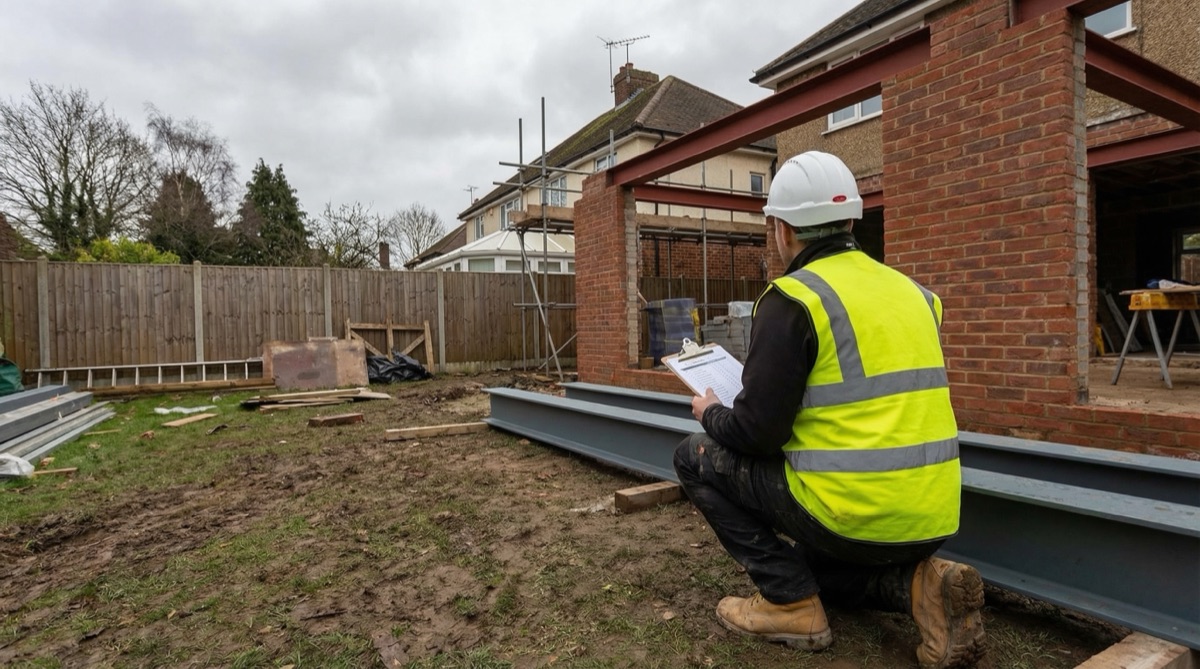
Building Regulations for House Extensions: Everything You Need to Know
Complete guide to building regulations for house extensions. Understand approval requirements, structural standards, fire safety, energy efficiency, and technical compliance.
Understanding Building Regulations for Extensions
Building regulations are fundamental requirements ensuring that extensions meet minimum standards for safety, health, and energy efficiency. Unlike planning permission (which controls how development affects the area), building regulations control how structures are built. All extensions must comply with current building regulations regardless of planning status. This comprehensive guide explains the key requirements, approval processes, and technical compliance issues affecting house extensions.
What Are Building Regulations?
Building regulations are a set of minimum standards that all building work must meet. They cover structural safety, fire safety, ventilation, drainage, electrical safety, thermal performance (energy efficiency), accessibility, and other aspects affecting user safety and health. Building regulations are administered by local authority building control departments or approved private inspectors. Work must be inspected at key stages to ensure compliance before completion.
Building regulations apply to almost all construction work, including extensions, loft conversions, and structural alterations. Only very minor works (such as like-for-like replacements) are exempt. Extensions must comply with current building regulations in force at the time of construction, even if the existing building pre-dates current standards.
Structural Safety Requirements
Foundations: Extensions must have adequate foundations to safely support loads. Designs include calculations showing foundation design meets structural requirements. Foundations must extend below frost depth (typically 450mm) and be suitable for ground conditions. Ground surveys may be required for challenging conditions. Inadequate foundations are a common cause of structural problems, so proper design and implementation are essential.
Structural Elements: Walls, beams, columns, and connections must be properly designed to carry loads. Load-bearing calculations must be prepared by qualified structural engineers. Connection details between new and existing structures are critical — poor connections cause movement and cracking. Temporary support is often required during construction to maintain structural integrity while work progresses.
Roof Structure: Extension roofs must be properly designed and built to carry loads safely. Connections to existing structures must be properly detailed. Roof loads include dead loads (weight of materials), imposed loads (snow and maintenance), and wind loads. In exposed locations, wind loading can be significant, requiring stronger structures.
Damp Proof Course: A damp proof course (DPC) must separate the extension from ground moisture. This prevents moisture rising through the extension walls into the living space. Proper DPC design and implementation are essential to prevent damp problems.
Fire Safety Requirements
Fire Resistance: Elements separating the extension from the rest of the building must have appropriate fire resistance. Walls and doors between the extension and existing building must be fire-rated. The specific rating depends on building type and escape routes. Commercial buildings and flats have stricter fire safety requirements than single family houses.
Escape Routes: The extension must have an appropriate escape route in case of fire. Single storey extensions opening onto the main building can usually use the main building's escape route. Extensions with bedrooms upstairs may require additional escape provisions such as external stairs or roof access for escape.
Fire Detection: Extensions must have appropriate fire detection and alarm systems connected to the rest of the building's system. Interconnected alarms ensure occupants are warned of fire wherever it starts in the building.
Energy Efficiency and Thermal Performance
Insulation Standards: Building regulations set minimum insulation levels for extension walls, roofs, and floors. Current standards require U-values of approximately 0.15 W/m²K for walls and roofs (compared to 0.45 W/m²K in the 2010 regulations). These stringent standards mean extensions must have high-performance insulation, typically 150-200mm of mineral wool or equivalent.
Thermal Bridging: Building regulations require minimizing heat loss through structural elements. Thermal bridge calculations ensure details like window frames, lintel connections, and balcony connections don't create significant heat loss paths. Good thermal design keeps the insulated layer continuous.
Airtightness: Modern building regulations implicitly require good airtightness to achieve required thermal performance. Air leakage through gaps and cracks undermines insulation performance. Proper detailing and quality control during construction achieve good airtightness.
Windows and Doors: Extensions must have windows and doors meeting current thermal standards, typically U-values of 1.5 W/m²K or better. This usually means double or triple glazing with low-emissivity coatings and insulated frames. Solar gain through windows should be controlled to prevent overheating in summer.
Ventilation: Extensions must have appropriate ventilation to maintain indoor air quality. This can be through natural ventilation (openable windows) or mechanical ventilation with heat recovery (MVHR systems). Building regulations require a certain level of fresh air supply, calculated based on occupancy.
Drainage and Water Management
Foul Drainage: Extensions must connect to appropriate foul drainage. This is typically the public sewer, but may be a septic tank in rural areas. Connection designs must comply with standards. Pipework must be properly sized for expected flows and laid to appropriate gradients. Inspection chambers allow access for maintenance.
Surface Water Drainage: Rainwater from the extension roof must be managed. This can be via gutters and downpipes connected to surface water drainage, or via sustainable drainage systems (SUDS) such as permeable paving or rainwater storage. Building regulations increasingly favor SUDS approaches that reduce flood risk.
Waterproofing: Extension roofs and junctions with existing building must be properly waterproofed. Flat roofs require appropriate waterproofing layers. Pitched roof junctions require careful detailing to prevent water ingress. Windows and doors must be properly installed to prevent water leakage.
Electrical Safety
Electrical Installation: All electrical work in extensions must comply with BS 7909 (Building Regulation standard for electrics). This includes all wiring, circuits, outlets, and switches. Electrical work must be designed by qualified electricians and installed to high standards. Inspections at key stages ensure compliance.
Earth Fault Protection: Circuits in bathrooms and wet areas require RCD (residual current device) protection. This protects against electric shock if circuits are damaged or faults occur. RCBO (combined RCD and MCB) protection is increasingly required.
Accessibility: Electrical outlets and switches must be positioned at appropriate heights for accessibility. Building regulations require consideration of accessibility for people of all ages and abilities.
Plumbing and Water Systems
Cold Water Supply: Extensions may require additional cold water supply. Pipework must be correctly sized for demand and laid to appropriate standards. Insulation prevents freezing in unheated spaces.
Hot Water Systems: If the extension includes bathrooms or wet areas, hot water supply must be provided. This can be from the existing boiler or renewable systems such as solar thermal or heat pumps. Pipework insulation minimizes heat loss.
Sanitary Ware: If bathrooms are included, sanitary ware must be installed properly. Mechanical ventilation removes moisture and prevents condensation. Extract fans must be appropriately sized and ducted outside.
Accessibility and Universal Design
Access: Extensions must be accessible to all users including people with disabilities. This includes level access (or ramps where level access isn't possible), accessible doorways, and accessible facilities. Future-proofing considerations ensure extensions accommodate aging in place.
Facilities: Bathrooms and kitchens should incorporate accessible design features such as accessible shower areas, lever handles rather than knobs, and flexible counter heights.
Building Control Approval Process
Initial Notification: Building work must be notified to building control before work starts. Your specialist typically makes this notification, providing detailed plans and structural calculations. Building control checks that designs comply with regulations and that notifications are properly made.
Inspections: Building control conducts inspections at key stages: foundation inspection, damp proof course and structural inspection, roof covering inspection, and final completion inspection. These inspections ensure work complies with approved plans and building regulations. Each stage must be inspected before proceeding to the next stage.
Completion Certificate: Once all inspections are passed, building control issues a completion certificate confirming the work complies with building regulations. This certificate is essential for future sales and mortgage purposes.
Common Building Regulation Issues
Inadequate Insulation: Achieving current insulation standards requires carefully designed details and quality materials. Poor insulation planning results in cold bridges and inadequate thermal performance.
Dampness: Poor damp proofing or waterproofing results in damp problems. Proper specification and careful installation prevent these issues.
Fire Safety Defects: Inadequate fire protection between extension and existing building can compromise fire safety. Proper specification and inspection ensure compliance.
Structural Problems: Inadequate structural design or poor workmanship results in cracks, movement, and safety issues. Qualified design and careful quality control prevent these problems.
Explore More House Extension Design Options
Related Articles
Comprehensive guide to house extension planning permission in 2024. Learn about costs, timelines, planning applications, and what to expect from professional house extension specialists.
Discover the key advantages of choosing professional house extension services. From cost savings to creative solutions, learn why specialists are essential for successful projects.
Complete guide to house extension costs in the UK. Learn about fee structures, budgeting tips, and how to get maximum value from your house extension investment.
Ready to Get Started?
Home Extensions Now Team
Our expert team of architectural design specialists brings decades of combined experience in UK house extension design and planning services for residential and commercial projects. We're committed to providing clear, actionable insights to help you make informed decisions about your home extension projects.
Ready to Plan Your Home Extension?
Whether you're planning a single-storey extension, renovation project, or complete home redesign, our house extension design solutions can help you build quickly and confidently.