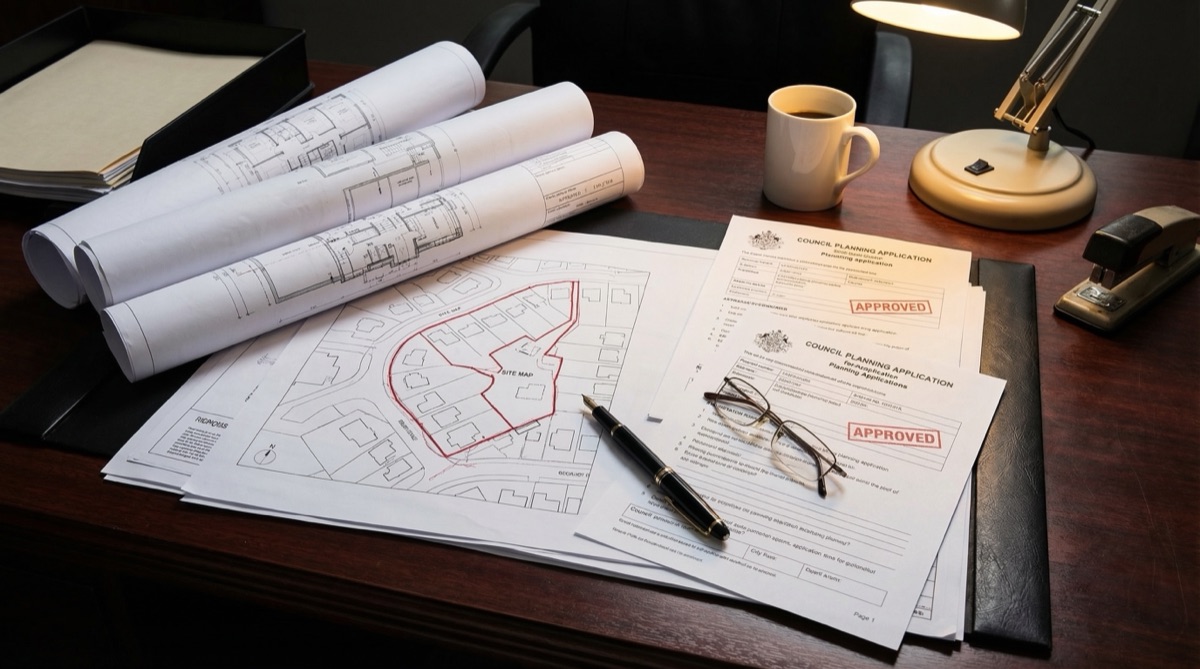
The Planning Application Process: Step-by-Step Guide for House Extensions
Navigate the planning application process successfully. Learn each step from feasibility checks through approval, including timelines, common issues, and how to improve approval chances.
Understanding the UK Planning Application Process
The planning application process is a critical stage in any house extension project. Understanding the steps involved, typical timelines, and common issues helps you prepare properly and improves your chances of approval. The process typically takes 8-12 weeks from submission to decision, though this varies depending on complexity and local authority performance. This comprehensive guide walks you through each stage, explaining what happens, what you need to provide, and what to expect at each step.
Stage 1: Pre-Application Feasibility Check
Before formal application, professional specialists conduct a feasibility check to determine whether your proposal can gain approval. This involves reviewing your site, local planning policies, building constraints, and the planning history of your property. The feasibility check identifies potential issues early, allowing design modifications before investing in full application preparation. This stage typically takes 2-4 weeks and costs £500-1,500 depending on complexity.
The feasibility check answers key questions: Does permitted development apply to your extension, or will planning permission be required? Are there any restrictions such as conservation area status, listed building designation, or restrictive covenants that affect your options? What are the local planning policies regarding extensions? Does the local authority have a track record of approving similar extensions? This information shapes your design and determines the scope of work required for a successful application.
Stage 2: Design Development and Technical Preparation
Once feasibility is confirmed, professional architects develop detailed designs suitable for planning submission. This involves creating drawings showing the extension in context, with floor plans, elevations, and sections. Depending on complexity, a Design and Access Statement explains your design approach and how the extension respects the local character. Technical specialists prepare structural drawings, building regulations drawings, and any specialist reports (such as heritage assessments for listed buildings or conservation area locations).
Design development typically takes 4-6 weeks and involves multiple iterations as your specialist refines the design based on your feedback and planning policy considerations. During this stage, experienced specialists ensure the design maximizes your needs while minimizing planning risks. They consider the character of the local area, sight lines from the street, impact on neighboring properties, and compliance with local design guidance.
Stage 3: Pre-Application Consultation with Planning Officers
Before submitting formal applications, many specialists arrange pre-application consultations with planning officers. These informal meetings allow officers to comment on your proposals and identify potential concerns. This is an opportunity to understand what the planning authority wants to see and to refine designs based on their feedback. Pre-application consultations typically cost £200-500 (plus any local authority fee) and can significantly improve approval chances.
Planning officers are experienced and helpful at this stage. They explain how your proposal relates to planning policies, identify any concerns, and suggest modifications. Acting on their suggestions improves your application considerably. Many planning officers can confirm at pre-application stage whether an extension will gain approval in principle, provided design modifications are made.
Stage 4: Formal Application Submission
Once designs are finalized, your specialist prepares the formal planning application. This includes completed application forms, technical drawings, Design and Access Statement, and any specialist reports. The application is submitted to the local planning authority, which validates it to confirm all required documents are included. Validation typically takes 5-10 working days. Once validated, the application receives a reference number and enters the formal assessment process.
Application submission involves paying the planning fee (£258 for most householder applications) and optionally registering for the planning register so you receive updates on your application. Your specialist typically handles submission and fee payment. Once submitted, the local authority posts a site notice and notifies affected neighbors, beginning the formal consultation period.
Stage 5: Consultation and Assessment Period
After submission, the planning authority typically allows 21 days for public consultation. Neighbors can submit comments supporting or objecting to the application. Planning officers assess the application against local planning policies, guidance, and consultation responses. They consider factors such as impact on the character of the area, impact on neighboring properties, parking implications, and environmental effects. The assessment typically takes 4-6 weeks.
During this period, if issues emerge or objections are received, your specialist can submit additional information addressing concerns. Many applications are approved subject to minor modifications at this stage. Proactive communication with planning officers during the assessment period can often resolve concerns and improve approval chances.
Stage 6: Planning Officer Recommendation
Once assessment is complete, the planning officer prepares a recommendation report for the planning committee or delegated decision-maker. The report summarizes the proposal, explains how it complies (or not) with planning policy, addresses consultation responses, and recommends approval, refusal, or approval subject to conditions. Planning officers typically recommend approval for straightforward proposals that comply with policy, and many applications are decided by delegated authority without committee review.
Stage 7: Planning Decision
The planning authority issues a decision notice within 13 weeks of validated submission (or longer if an extension is agreed). The notice confirms whether planning permission is granted, granted subject to conditions, or refused. Most householder extension applications are approved, particularly if the proposal complies with policy and no significant objections are received. Approval typically comes with conditions requiring you to comply with the approved plans and building regulations.
If your application is refused, you have the right to appeal to the Planning Inspectorate. Appeals must be submitted within 6 months of the refusal decision. Appeals involve further assessment by an independent inspector and can take 4-6 months, though many appeals are decided on the papers without a hearing. Appeal costs vary but typically range from £2,000-10,000 depending on complexity.
From Planning Approval to Construction
Once planning permission is granted, the next critical step is obtaining building regulations approval. Planning permission and building regulations approval are separate processes managed by different teams within the local authority. Building regulations focus on safety, health, and energy efficiency compliance, whereas planning focuses on land use and design. You typically submit building regulations applications at the same time as planning applications, but approval follows separately after planning permission is granted. Building regulations approval involves submission of detailed technical drawings showing compliance with regulations, assessment by building control inspectors, and inspections during construction to verify compliance.
From gaining planning permission to construction start typically takes 6-12 weeks. This period allows you to finalize building regulations approval, select contractors, and prepare for construction. Professional specialists typically remain involved during this period, finalizing technical drawings for building regulations, tendering packages to contractors, and preparing for site mobilization. This transition period is critical for ensuring construction goes smoothly and stays on budget.
Timeline and Costs Summary
Feasibility Check: 2-4 weeks, £500-1,500
Design Development: 4-6 weeks, £2,000-5,000
Pre-Application Consultation: 2-4 weeks (optional), £200-500
Application Preparation: 2-3 weeks, included in design fees
Formal Process: 8-13 weeks (standard timeline)
Total Timeline: 4-6 months from start to decision, 5-7 months if pre-application consultation is included
Common Issues and How to Avoid Them
Insufficient Documentation: Applications sometimes fail because drawings or information are unclear. Professional specialists ensure documentation is complete and clear, reducing the risk of validation problems or requests for additional information during assessment.
Design Non-Compliance with Policy: Extensions that don't comply with local policies face refusal. Professional specialists understand local policies intimately and ensure designs comply. If policies don't permit your preferred design, they suggest alternatives that achieve your objectives while complying with policy.
Neighbor Objections: Neighbor objections are common but only result in refusal if objections relate to material planning considerations (such as loss of light, privacy, or character impact). Professional design minimizes these concerns. Early consultation with neighbors can sometimes resolve concerns and reduce objections.
Conservation Area and Listed Building Issues: Extensions in conservation areas or to listed buildings face stricter requirements. Professional specialists understand these requirements and design sympathetically. Detailed heritage assessments and sensitivity to context improve approval chances significantly.
Improving Your Approval Chances
Engage Professionals Early: Professional involvement from the start ensures designs comply with policy and minimize approval risks. Specialists understand what planning authorities want to see.
Conduct Pre-Application Consultation: Early discussion with planning officers identifies concerns and allows design modification before formal submission. Many applications approved at pre-application stage.
Provide Excellent Documentation: Clear, detailed drawings and supporting statements help planning officers understand your proposal and gain committee confidence.
Respect Local Character: Designs that respect the character of the area and don't negatively impact neighbors gain approval more readily. Character analysis and heritage sensitivity are important.
Address Concerns Promptly: If planning officers raise concerns during assessment, respond quickly with additional information or design modifications addressing their issues.
Explore More House Extension Design Options
Related Articles
Comprehensive guide to house extension planning permission in 2024. Learn about costs, timelines, planning applications, and what to expect from professional house extension specialists.
Discover the key advantages of choosing professional house extension services. From cost savings to creative solutions, learn why specialists are essential for successful projects.
Complete guide to house extension costs in the UK. Learn about fee structures, budgeting tips, and how to get maximum value from your house extension investment.
Ready to Get Started?
Home Extensions Now Team
Our expert team of architectural design specialists brings decades of combined experience in UK house extension design and planning services for residential and commercial projects. We're committed to providing clear, actionable insights to help you make informed decisions about your home extension projects.
Ready to Plan Your Home Extension?
Whether you're planning a single-storey extension, renovation project, or complete home redesign, our house extension design solutions can help you build quickly and confidently.