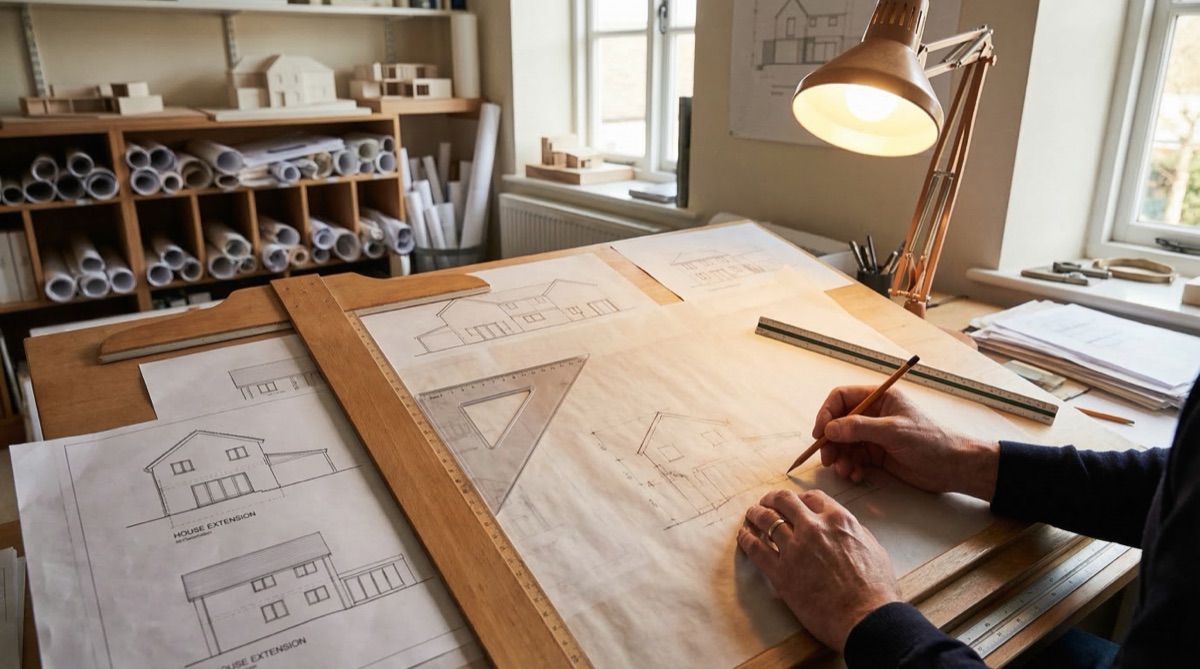
Do I Need an Architect for a House Extension? Expert Advice
Do you need an architect for your house extension? Learn when professional design expertise is essential versus when other options may suffice.
Do You Need an Architect for Your House Extension?
Many homeowners planning house extensions wonder whether they need to hire an architect. The answer depends on your project complexity, local requirements, and how much risk you're willing to accept. This comprehensive guide explores when architectural expertise is essential, when alternative professionals suffice, and what you might miss by attempting extensions without professional design input. Understanding these distinctions helps you make informed decisions about your house extension investment and ensures your project achieves optimal outcomes.
When You Absolutely Need an Architect
Double Storey Extensions: Double storey extensions require significant structural design because they add substantial loads to your existing house structure. Architects and structural engineers design new foundations, create load paths, and ensure the existing house can support the additional weight. Attempting double storey extensions without professional structural design is dangerous and will fail building regulations approval. Proper structural design ensures safety and prevents expensive remedial work after construction commences.
Heritage Properties and Listed Buildings: Listed buildings and properties in conservation areas face strict heritage constraints. Planning authorities require specialist heritage expertise ensuring designs are sensitive to heritage significance. Conservation architects understand heritage principles, know how to work within strict heritage constraints, and prepare heritage impact assessments demonstrating sensitivity. Amateur designs in heritage contexts rarely achieve planning approval, wasting months and money on redesign cycles.
Complex Planning Situations: Extensions generating neighbor objections, involving tree constraints, or facing complex planning circumstances benefit from expert planning knowledge. Planning specialists understand how to position applications for success and navigate complex approval processes. Strategic design and planning expertise often secures approval that amateur submissions would not achieve.
Structural Issues: Existing houses with foundation problems, structural damage, or non-standard construction require expert structural assessment. Architects and structural engineers diagnose problems and design extensions that address existing issues while adding new space. DIY approaches to structural problems can be catastrophic, creating safety risks and structural failure.
When Architect Expertise is Highly Recommended
Single Storey Extensions Over 40 Square Metres: Large single storey extensions involve significant design coordination, complex roof designs, and substantial planning submissions. While technically simpler than double storey work, large extensions benefit from professional design ensuring optimal functionality and planning approval.
Projects Involving Major Services Relocation: Extensions moving utilities, installing new heating systems, or relocating plumbing benefit from expertise coordinating complex building services. Poor services integration causes operational problems and expensive post-construction remedial work.
Heritage Considerations: Even non-listed properties in sensitive contexts benefit from heritage-aware design. Conservation architects ensure your extension respects local character and neighborhood context, creating better-designed extensions more likely to receive planning approval.
Kitchen Extensions: Kitchen extensions involve complex services integration and careful spatial planning. Professional design optimizes functionality and creates extensions that genuinely improve daily living. Poorly designed kitchens waste money on space that doesn't function effectively.
When Other Professionals Might Suffice
Straight-Forward Single Storey Extensions: Simple single storey extensions on modern houses with straightforward planning circumstances can sometimes be handled by experienced builders or certified technicians. However, even simple extensions benefit from professional design ensuring planning approval and optimal functionality.
Conversions and Renovations (No Structural Work): Interior-only renovations without structural changes might be approached without architects, though professional input still improves outcomes. However, if conversion involves changing building use or significant reconfigurations, professional design is essential.
What You Risk by Not Using an Architect
Planning Rejection: Many amateur designs fail to address planning concerns, resulting in rejections. Resubmission after rejection wastes 3-6 months and costs thousands in additional design fees. Professional architects know planning requirements and design from the start with approval likelihood maximized.
Building Regulations Issues: Inadequate design documentation creates building control scrutiny and requests for clarification. Serious design defects delay construction commencement while problems are resolved. Professional architects ensure building regulations compliance from inception.
Construction Problems: Unclear design documents cause builder confusion and expensive site decision-making. This leads to quality problems, cost overruns, and timeline extensions. Professional documentation prevents these expensive issues.
Functional Problems: Poorly designed extensions don't function as intended. Kitchen layouts may be inefficient, bedroom sizes inadequate, or spatial relationships create circulation problems. After construction completion, fixing functional problems is expensive or impossible. Professional design optimizes functionality.
Structural Safety Issues: Non-structural design may create unsafe conditions: inadequate egress from bedrooms, fire safety issues, or structural defects. These problems can prevent building completion or create liability issues.
Poor Value Recovery: Extensions without professional design often provide poor return on investment. Well-designed extensions command higher property values. Poorly designed extensions add minimal value despite similar construction costs.
Architect Costs and Value
Professional architects typically charge 10-15% of construction costs. For a £70,000 extension, this represents £7,000-£10,500 in design fees. While this seems significant, professional services typically save this amount through: avoided planning rejections, optimized designs reducing construction costs, prevented building regulations issues, and better value recovery through improved property values. Well-designed £70,000 extensions may increase property value by £50,000-£70,000, while poorly designed equivalent extensions might add only £20,000-£30,000. This value difference easily justifies professional design investment.
Choosing Between Architects, Surveyors, and Technicians
Architects (RIBA/ARB registered): Full professional architects bring comprehensive expertise across design, planning, building regulations, and project management. They carry professional indemnity insurance and maintain continuing professional development requirements. Architects are the safest choice for complex projects.
Chartered Surveyors (RICS registered): Surveyors often specialize in specific building types and bring detailed technical expertise. Many surveyors work alongside architects for complex projects.
Certified Technicians: Technicians may have significant experience but lack professional accreditation and insurance. They can be appropriate for straightforward projects but present higher risk.
DIY Design Cautions
Some homeowners attempt DIY designs using computer software or simple sketches. While this can reduce immediate costs, amateur designs frequently create problems exceeding any cost savings. Planning officers quickly identify amateur submissions lacking professional quality. Building control scrutinizes amateur designs more carefully than professional submissions. Contractors working from amateur designs spend considerable time interpreting intent and making site decisions, increasing costs and introducing errors.
Real-World Project Examples
Case studies demonstrate professional architectural value. A North London terraced house owner contemplated a £60,000 rear extension without professional design. When they consulted an architect, the professional identified structural issues with the existing rear wall requiring underpinning before extension. Without structural assessment, building control would have rejected the design, wasting planning application months and costs. The architect's early identification prevented these problems. The designed extension ultimately improved floor layout significantly compared to homeowner's initial concept, adding estimated £35,000 property value premium over basic extension. Professional engagement prevented costly mistakes and optimized value delivery.
Another Islington property with conservation area designation required careful heritage-sensitive design. The homeowner's initial vision involved contemporary glass and steel materials conflicting with conservation policies. Professional conservation architects redesigned the extension respecting period character while delivering modern functionality. Planning approval came smoothly despite conservation area challenges because professional design demonstrated genuine heritage sensitivity. Without heritage expertise, planning approval would have been delayed or refused entirely. The final extension enhanced the property while respecting its heritage context. These examples illustrate how professional expertise creates value exceeding apparent costs.
Recommendation for Your House Extension
For most house extensions, professional architectural or surveyor input is essential. The cost is justified by increased approval likelihood, optimized functionality, avoided construction problems, and better value recovery. For simple projects on straightforward sites, you might minimize professional involvement, but even then, professional review of amateur designs is sensible risk management. View professional design as investment in project success rather than cost to minimize. Quality design determines whether your extension becomes a valued improvement or a source of regret.
Working With Your Architect: Tips for a Successful Partnership
Once you have appointed an architect, establishing a productive working relationship is essential for achieving the best results. Begin by preparing a detailed brief that outlines your requirements, preferences, and budget constraints. Include practical considerations such as how you use your existing space, what frustrates you about your current layout, and any specific features you have seen in other properties that appeal to you. Photographs from magazines or websites can help communicate your aesthetic preferences more effectively than words alone.
Regular communication throughout the design process keeps the project on track and ensures your vision is being faithfully interpreted. Most architects schedule formal design reviews at key milestones, but informal check-ins between meetings can prevent misunderstandings from developing. Be honest about your reactions to proposed designs — a good architect welcomes constructive feedback and uses it to refine the scheme. Remember that the design process is iterative, and early concepts are starting points for discussion rather than final proposals. Trust your architect's professional judgement on technical matters while ensuring your personal preferences are respected and incorporated into the final design.
Explore More House Extension Design Options
Related Articles
Comprehensive guide to house extension planning permission in 2024. Learn about costs, timelines, planning applications, and what to expect from professional house extension specialists.
Discover the key advantages of choosing professional house extension services. From cost savings to creative solutions, learn why specialists are essential for successful projects.
Complete guide to house extension costs in the UK. Learn about fee structures, budgeting tips, and how to get maximum value from your house extension investment.
Ready to Get Started?
Home Extensions Now Team
Our expert team of architectural design specialists brings decades of combined experience in UK house extension design and planning services for residential and commercial projects. We're committed to providing clear, actionable insights to help you make informed decisions about your home extension projects.
Ready to Plan Your Home Extension?
Whether you're planning a single-storey extension, renovation project, or complete home redesign, our house extension design solutions can help you build quickly and confidently.