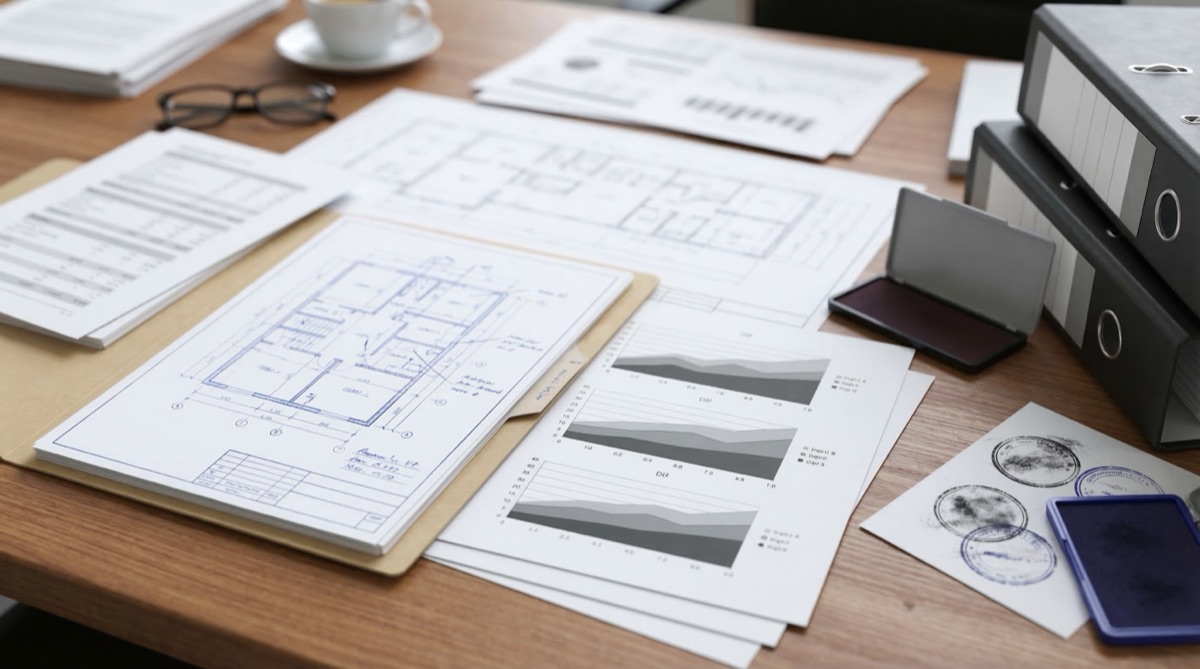
Extension Building Regulations 2026: Compliance and Approval Process
Understand 2026 building regulations for extensions. Learn compliance requirements, insulation standards, fire safety, ventilation, and the approval process.
Building Regulations 2026: Extensions Compliance Guide
Building regulations have evolved in 2026 with stricter energy efficiency requirements, enhanced fire safety provisions, and updated ventilation standards. Understanding current regulations ensures your extension complies and avoids costly remedial work. This comprehensive guide covers 2026 building regulation requirements, compliance processes, and how professional design ensures full regulatory adherence.
Energy Efficiency Requirements 2026
2026 building regulations require significantly improved thermal performance compared to previous standards. Extensions must achieve U-values of approximately 0.15 W/m²K for walls and 0.11 W/m²K for roofs (compared to 0.30 and 0.20 historically). This requires substantial insulation: typically 150-200mm in walls, 200-250mm in roofs. Achieving these standards is straightforward for new extensions but requires careful design and quality installation.
Thermal bridging rules ensure insulation continuity. Design must minimize heat loss through structural elements, window frames, and connections. Professional thermal modeling verifies proposed designs meet requirements before construction begins.
Ventilation Standards 2026
Building regulations require adequate fresh air supply and moisture removal. Extensions must provide minimum ventilation rates calculated based on occupancy. Mechanical ventilation with heat recovery (MVHR) is increasingly recommended, providing fresh air while recovering heat from extract air. This achieves ventilation requirements without losing excessive heating energy.
Kitchens and bathrooms require dedicated extraction removing cooking odors and moisture. Poorly ventilated extensions develop condensation, mold, and indoor air quality problems. Proper ventilation design is essential for comfort and health.
Fire Safety Requirements 2026
Fire safety requirements apply to extensions as to all buildings. Key requirements include: fire-resistant elements separating extensions from existing buildings, appropriate escape routes from habitable rooms, fire detection systems interconnected through the building, and structural fire resistance where required. Single story residential extensions have simpler fire requirements than multi-story structures, but compliance is always required.
Acoustic Performance 2026
Building regulations include acoustic requirements protecting against external noise and limiting sound transmission between adjoining buildings. Sound insulation standards have improved in 2026. Extensions should achieve specified acoustic performance through material selection, detailing, and potentially additional insulation. This is particularly important for extensions near roads or in dense urban areas.
Structural Requirements 2026
Extensions must be structurally sound, safely supporting loads and resisting environmental forces. Building regulations require structural design by qualified engineers for significant extensions. Design addresses: foundation adequacy, structural capacity of walls/beams/roof, resistance to wind loading, and protection from ground movement. Structural engineers' calculations verify designs meet safety requirements.
Materials and Durability 2026
Building regulations require materials appropriate for their use, resisting decay and maintaining performance throughout the building's lifecycle. This particularly applies to: damp-proof courses and waterproofing (preventing moisture damage), structural materials (preventing deterioration), and fixed building services (electrical, plumbing, heating systems). Material selection considering durability and lifecycle performance is essential.
Building Control Approval Process
Notification: Building work must be notified to building control before starting. Your designer typically submits notification with detailed plans and calculations. Building control validates the notification and requests any additional information.
Inspections: Building control inspects work at key stages: foundations, damp proof course/structural, roof covering/structure, and final completion. Each stage must be inspected and approved before proceeding. These inspections ensure compliance throughout construction.
Completion Certificate: Upon final inspection, building control issues a completion certificate confirming compliance. This certificate is essential for mortgages, future sales, and insurance. Never complete work without obtaining building control certification.
Common Compliance Issues
Inadequate Insulation: Achieving current insulation standards requires sufficient thickness and careful installation. Poor insulation results in failed inspections and expensive remediation.
Ventilation Defects: Inadequate ventilation design or installation results in condensation and mold problems. Proper design and commissioning prevent these issues.
Fire Safety Gaps: Missing fire doors, inadequate fire resistance, or improper escape routes fail inspections. Building regulations require fire safety to be planned and implemented carefully.
Professional Compliance Assurance
Professional designers and builders ensure building regulations compliance through: correct design addressing all requirements, quality material specification, proper installation oversight, and building control coordination. Professional involvement significantly reduces compliance risks and ensures satisfactory inspection outcomes.
Windows and Doors Requirements 2026
Windows and doors in extensions must meet 2026 standards for thermal performance (typically 1.4 W/m²K U-value), water and air tightness, and structural safety. High-performance units with low-emissivity glazing and insulated frames significantly exceed historical standards. Material selection (timber, aluminum, uPVC) affects both performance and aesthetics. Professional specification ensures windows and doors meet all requirements while delivering desired architectural appearance.
Damp and Moisture Control 2026
Building regulations now emphasize preventing moisture penetration and condensation. Proper damp-proof courses, waterproofing of external walls, and ventilation preventing interstitial condensation are essential. Extensions with poor moisture control develop damp, mold, and indoor air quality problems. Professional design ensures adequate damp prevention throughout the extension, protecting the building from moisture damage.
Electrical and Mechanical Systems 2026
Extensions require safe, modern electrical installations meeting current standards. Safety switches, earthing, and circuit protection must all meet 2026 requirements. Heating systems (whether extending existing or installing new) must comply with efficiency standards. Water systems must be properly sized and protected. Professional specification of all services ensures safety and compliance.
Accessibility Requirements 2026
Building regulations include provisions for accessible design. While strict accessibility may not apply to all extensions, thoughtful design considering accessibility benefits all users. Level thresholds, door width compliance, and space for movement are increasingly standard even where not strictly required. Universal design principles make spaces usable by everyone regardless of ability.
2026 Enhanced Standards Summary
2026 building standards are substantially more stringent than previous requirements, reflecting carbon reduction targets and health/wellbeing priorities. Standards now require: 0.15 W/m²K insulation performance, mechanical ventilation with heat recovery, fire safety provisions, acoustic performance, structural safety verification, and accessible design. Extensions meeting these standards are comfortable, healthy, energy-efficient, and safe — representing best-practice modern construction.
Thermal Modeling and Compliance Verification
Modern building regulations increasingly require thermal modeling verifying proposed designs meet U-value requirements. Professional thermal modeling software calculates heat loss through the entire extension including walls, roof, windows, doors, and junction details. Modeling identifies weak points (thermal bridges, inadequate insulation) enabling design modifications before construction. Thermal modeling costs £500-1,500 but proves compliance and can prevent expensive rework if installations don't meet specifications. This technology is now standard practice for ensuring compliance with increasingly stringent energy requirements.
Quality Assurance Throughout Construction
Achieving building regulations compliance requires attention throughout construction, not just at inspection stages. Key practices include: proper insulation installation ensuring no gaps, vapor barriers correctly positioned, ventilation systems properly commissioned and balanced, electrical systems installed to standard specifications, and fire safety elements carefully implemented. Builders and designers should maintain quality records documenting compliance throughout — this evidence proves compliance if questions later arise. Quality assurance protocols prevent the common problem of poor workmanship undermining good design.
Building Control Certificates and Property Value
Building control certificates are essential documents for property transactions, mortgages, and insurance. Properties lacking completion certificates often cannot be mortgaged or insured. If purchasing a property with previous work lacking certificates, regularization certificates can sometimes be obtained through testing/inspection, but this is costly and sometimes impossible. Always ensure extensions receive proper building control approval with final completion certificates. These documents protect your investment and ensure future property sales aren't complicated by building work of uncertain compliance.
The Critical Importance of Building Control Certificates
Building control completion certificates are essential documents that should be carefully preserved throughout property ownership. These certificates prove that extension work complies with building regulations and is structurally sound. Without a completion certificate, future property buyers often cannot obtain mortgages or insurance, making the property un-saleable. Additionally, lack of certificates can trigger enforcement action from local authorities requiring expensive remedial work or even demolition. Always demand and file completion certificates in a safe location. If you've previously completed extension work without building control approval, contact your local authority to discuss regularization options. Many properties have suffered reduced value and saleability due to missing certificates from previous work — don't let this happen to your property.
Phased Inspections and Construction Planning
Building control inspections occur at key construction stages — plan construction timelines accommodating inspections without delays. Typical inspection schedule includes: initial notification, foundations/structural (before concrete pour), damp-proof course/structure (before roofing), roof covering/structure (before weather protection), and final completion. Missing inspections doesn't mean work is acceptable — inspections must be scheduled and passed. Construction sequencing should plan inspections logically, avoiding situations where building control inspections delay the project.
Explore More House Extension Design Options
Related Articles
Comprehensive guide to house extension planning permission in 2024. Learn about costs, timelines, planning applications, and what to expect from professional house extension specialists.
Discover the key advantages of choosing professional house extension services. From cost savings to creative solutions, learn why specialists are essential for successful projects.
Complete guide to house extension costs in the UK. Learn about fee structures, budgeting tips, and how to get maximum value from your house extension investment.
Ready to Get Started?
Home Extensions Now Team
Our expert team of architectural design specialists brings decades of combined experience in UK house extension design and planning services for residential and commercial projects. We're committed to providing clear, actionable insights to help you make informed decisions about your home extension projects.
Ready to Plan Your Home Extension?
Whether you're planning a single-storey extension, renovation project, or complete home redesign, our house extension design solutions can help you build quickly and confidently.