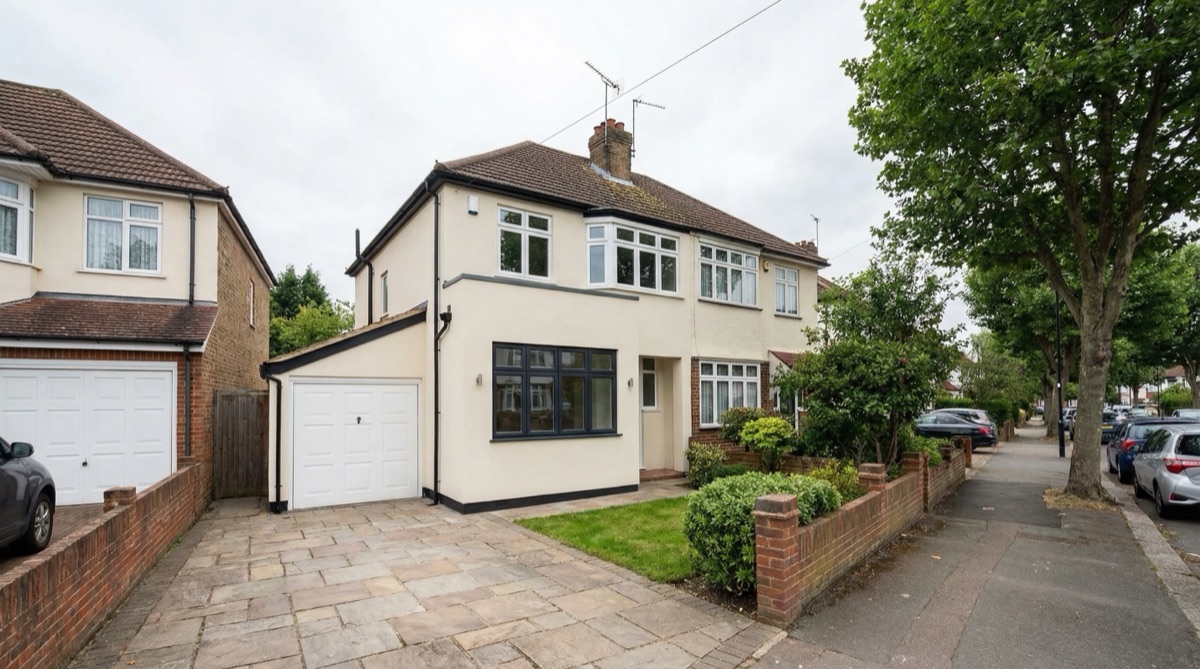
Garage Conversion London Cost: Transform Unused Space into Living Area
Convert your garage into valuable living space in London. Learn about garage conversion costs, planning rules, and how to turn underutilized garages into functional rooms.
Garage Conversions in London: Cost-Effective Space Expansion
Garage conversions offer one of the most cost-effective ways to add usable living space without extending your building footprint. Most garage conversions in London cost 40-50% less than ground-floor extensions while creating valuable additional rooms. This guide explains garage conversion costs, planning requirements, structural work, and how to create attractive, functional spaces from existing garages.
Typical Garage Conversion Costs in London 2026
Basic Conversion (20sqm): £15,000-25,000 including insulation, heating, basic flooring, and door infill. Budget finishes suitable for office or storage.
Standard Conversion (20sqm with bathroom): £25,000-40,000 including all above plus en-suite bathroom, plumbing, and mid-range finishes suitable for guest bedroom or living space.
Premium Conversion (20sqm high-end): £40,000-55,000 with luxury finishes, high-end bathroom/kitchen, integrated design, and quality flooring.
Garage Conversion Uses in London
Popular garage conversion applications include: home office/workspace (creates dedicated work environment separating work from home), guest bedroom (provides privacy and independence for visiting family), utility room (houses laundry, storage, and building systems), hobby/creative space (artist studio, music room, workshop), or fitness area (gym/yoga space). Your needs determine optimal conversion approach.
Planning Permission for Garage Conversions
Most residential garage conversions fall within permitted development rights, avoiding formal planning applications. However, this depends on property type, location (conservation area, listed building), and modifications. Confirm permitted development status with planning authorities before proceeding. Building regulations approval is always required for garage conversions regardless of planning status.
Key Conversion Requirements
Garage conversions require: removal/replacement of garage doors with walls/windows/doors (structural work), insulation to current standards (typically 100-150mm), heating integration (extending existing systems or new dedicated heating), ventilation for fresh air supply and moisture removal, electrical installation for modern needs, and flooring replacement if existing concrete is unsuitable. These requirements ensure finished space is comfortable, safe, and compliant with regulations.
Structural Considerations
Most garage conversions don't require significant structural work beyond infilling the garage door opening. However, if opening walls to create connected interior space, load-bearing assessment is required. Structural engineers determine whether walls can be removed or require beams. This assessment is completed before construction to ensure safety and identify structural costs.
Cost Control in Garage Conversions
Garage conversions are cost-effective but costs can increase through: plumbing work (requiring new drainage/water connections), electrical infrastructure improvements, unexpected structural modifications, or premium finishes. Conservative budgeting and early professional assessment prevent unexpected costs. Many conversions cost less than quoted if you accept simpler finishes or defer some work to future phases.
Maximizing Your Garage Conversion
Successful conversions focus on functionality, comfort, and appropriate finishes for intended use. Good insulation and heating are essential for comfort year-round. Adequate ventilation prevents damp/mold issues. Appropriate lighting design (artificial lighting dominates without windows) creates welcoming spaces. Storage integration maximizes limited space. These elements combine to create attractive, functional spaces from existing garages.
Garage Conversions vs Ground Floor Extensions
Garage conversions offer significant advantages over ground-floor extensions for many homeowners. Conversion costs are typically 40-50% less than equivalent extensions because you're utilizing existing structure and avoiding foundation costs. Timelines are quicker (6-10 weeks typical vs 12-16 weeks for extensions). Planning implications are usually simpler, avoiding potential refusal risks that affect 15-20% of extension applications. Conversions preserve garden space, whereas extensions consume valuable outdoor area. However, conversions sacrifice parking (if vehicle storage is important) and create a single space option rather than the flexibility of extending into the garden. For properties without vehicles or in areas with on-street parking, conversions represent exceptional value.
Building Regulations for Garage Conversions
Garage conversions must comply with current building regulations covering thermal performance, fire safety, ventilation, and structural integrity. Insulation standards (0.15 W/m²K U-value) ensure comfort year-round. Ventilation (typically through windows or mechanical systems) removes moisture and maintains air quality. Fire safety may require fire-rated doors separating the converted garage from the house if it's to be used as a bedroom. Electrical systems must be entirely new, as existing garage electrics are usually inadequate for residential use. Building control inspections at key stages verify compliance.
Furniture and Finishes for Garage Conversions
Finishing garage conversions well transforms them from utilitarian spaces into attractive additions. Warm flooring (timber, vinyl, carpet rather than bare concrete), good quality paint finishes in appropriate colors, and thoughtful lighting design create welcoming environments. Bespoke furniture and storage integrated into the design maximizes utility of typically small spaces. As conversions often lack windows, artificial lighting design is critical — layered lighting combining background, task, and accent lighting creates depth and visual interest. Material selection (timber, stone, quality finishes) elevates perceived value and creates spaces that feel integrated with the house rather than utilitarian add-ons.
Adding Value Through Garage Conversion
A £35,000 garage conversion can increase property value by £40,000-50,000, representing strong ROI. The value increase reflects the high cost of acquiring equivalent space through property purchase — buyers value the additional room highly even though it replaces parking. Home office conversions deliver particular value as remote working becomes permanent for many. Families value additional guest bedroom space. The relatively low cost of conversion compared to value uplift makes garage conversions among the best-value property investments available.
The Conversion Process
Step 1 - Assessment: Determine suitability (size, headroom, structural condition) and intended use.
Step 2 - Design & Drawings: Professional designs for planning (if required) and building regulations approval.
Step 3 - Approvals: Submit for building regulations approval; check planning status with local authority.
Step 4 - Construction: Remove garage door, infill opening, install insulation, heating, ventilation, flooring, finishes.
Step 5 - Inspection: Building control inspections verify compliance; issue completion certificate upon successful completion.
Garage Door Infill and Structural Integration
The primary structural work in garage conversions involves infilling the garage door opening and connecting new walls to existing structure. This requires: removing garage door, frame, and potentially portion of wall header; constructing new wall studs and insulation; installing windows and/or external doors as required; and ensuring water-tight seal. Where the opening is large, a structural beam may be required above the new wall to support the existing structure. Structural engineers assess whether existing walls support this addition or require reinforcement. Most conversions avoid major structural work, but professional assessment prevents surprises. Quality infill prevents future damp and structural issues — this is not an area for cutting corners.
Insulation Strategies for Garage Conversions
Garages are typically uninsulated — converting them into living spaces requires excellent insulation meeting current building standards (0.15 W/m²K U-value). Effective approaches include: external insulation (applied outside walls), internal insulation (applied inside), or cavity fill if wall cavities exist. External insulation preserves internal space (valuable in small garages) but requires external works and may need planning/building regulations approval. Internal insulation reduces internal floor area slightly but is often simpler and cheaper. Roof insulation is critical — if conversion doesn't include upper floor access, roof insulation can be applied from inside (typically 150-200mm). Excellent insulation combined with heating creates spaces comfortable year-round, justifying the investment in proper insulation specification.
Garage Conversion Uses: Home Office Advantages
Garage conversions serve home office functions particularly well. Detached from main living areas, they provide quiet, distraction-free work environments ideal for focused work. Physical separation (entering through external door) creates psychological work/home boundary facilitating better work patterns. Dedicated office spaces enhance video conference professionalism compared to home backgrounds. For self-employed professionals or remote workers requiring client meetings, garage conversions offer more professional work environments than spare bedrooms. Cost-effective office creation (£25,000-40,000) plus tax-deductible expenses make garage office conversions sound investments for professionals working from home.
Parking Alternatives When Losing Garage Space
Converting the garage sacrifices parking — important consideration for properties without alternative parking. Urban areas with on-street parking availability make conversions more attractive. Suburban properties with driveways can accommodate off-street parking despite losing garage. Properties with second driveways or parking areas are suitable for conversion. However, properties where the garage is the only practical parking option may find conversion problematic long-term, particularly if family grows or additional vehicles needed. Assess realistic parking needs before committing to conversion — relocating parked vehicles on street creates neighbor relations issues and may violate parking regulations in some areas.
Hybrid Approaches: Partial Conversion
Some homeowners create hybrid solutions converting only portion of the garage while retaining limited parking. For example, a double garage might become: half office/gym space and half single car parking. This preserves some parking while gaining functional space. Partition walls and flexible design create divisible spaces allowing future conversion of remaining garage portion if circumstances change. Hybrid approaches require careful planning ensuring both functions work effectively within available space, but they offer flexibility balancing parking needs with space expansion.
Explore More House Extension Design Options
Related Articles
Comprehensive guide to house extension planning permission in 2024. Learn about costs, timelines, planning applications, and what to expect from professional house extension specialists.
Discover the key advantages of choosing professional house extension services. From cost savings to creative solutions, learn why specialists are essential for successful projects.
Complete guide to house extension costs in the UK. Learn about fee structures, budgeting tips, and how to get maximum value from your house extension investment.
Ready to Get Started?
Home Extensions Now Team
Our expert team of architectural design specialists brings decades of combined experience in UK house extension design and planning services for residential and commercial projects. We're committed to providing clear, actionable insights to help you make informed decisions about your home extension projects.
Ready to Plan Your Home Extension?
Whether you're planning a single-storey extension, renovation project, or complete home redesign, our house extension design solutions can help you build quickly and confidently.