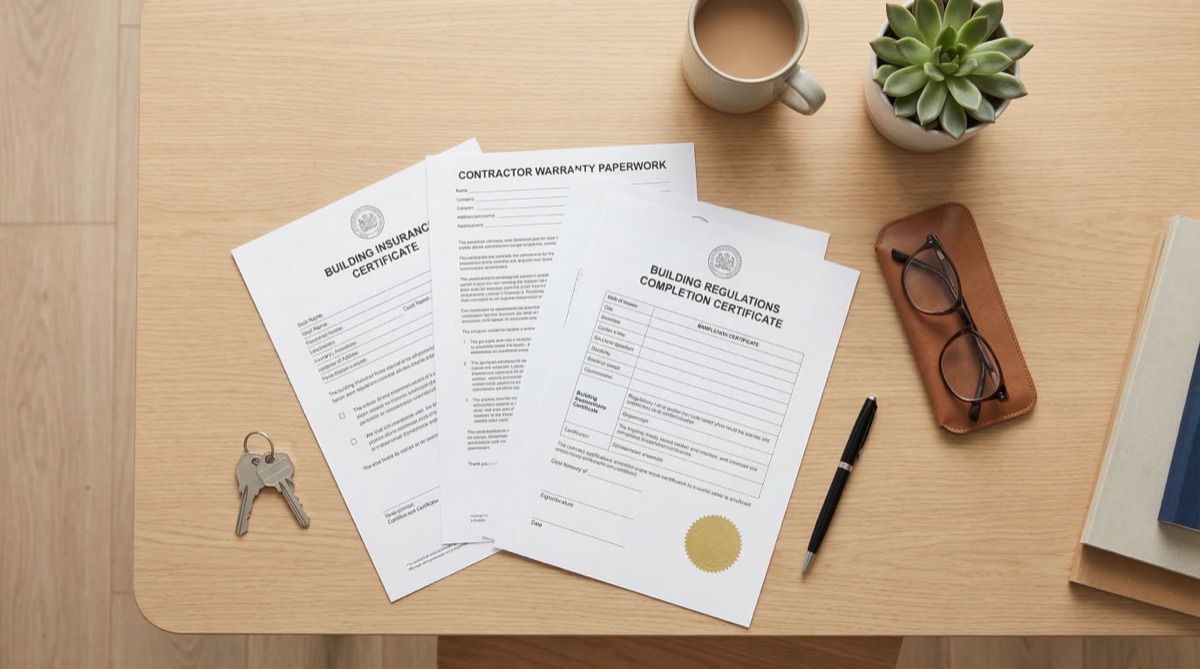
House Extension Insurance: What You Need to Know
Complete guide to house extension insurance. Understand structural warranty, defects liability, liability coverage, and project insurance protecting your investment.
House Extension Insurance: Comprehensive Coverage Guide
House extension insurance protects your investment against unforeseen problems, contractor issues, and structural defects. Many homeowners underestimate insurance importance, viewing it as unnecessary cost. In reality, proper insurance provides essential protection against expensive problems that could otherwise leave you with defective construction and no financial recourse. This comprehensive guide explores essential insurance types, what each covers, how to obtain appropriate coverage, and how to avoid costly mistakes leaving you unprotected.
Structural Warranty Insurance (NHBC, LABC, Others)
What It Covers: Structural warranties provide 10-year coverage against major structural defects appearing after construction completion. Coverage includes: foundation failure, structural movement, roof defects, water ingress, significant settling, and other structural issues compromising buildings' integrity. This is the most important insurance for extension protection.
How It Works: Your contractor obtains structural warranty coverage from approved providers (NHBC, LABC, Premier Guarantee, etc.). Provider inspects work at defined stages ensuring compliance with standards. If defects appear within warranty period, provider covers repair costs up to coverage limits.
Why It's Essential: Major structural defects appearing years after construction could cost £20,000-£100,000+ to repair. Without warranty coverage, you're responsible for these costs. Quality contractors routinely obtain structural warranties proving commitment to quality. Refusing warranty coverage suggests confidence issues about work quality.
Coverage Limits: Most NHBC and LABC warranties provide £20,000-£50,000 coverage per claim. Review specific policy limits for your project. Ensure coverage limits align with potential risk exposure for your specific extension.
Obtaining Coverage: Discuss structural warranty coverage during contractor selection. Most established contractors have pre-arranged warranty coverage. If contractor lacks arrangement, request they obtain coverage before commencing work. Never begin construction without confirmed structural warranty coverage.
Defects Liability and Snagging Insurance
What It Covers: Defects liability insurance covers minor defects and incomplete work appearing after substantial completion. This covers painter drips, missing fixtures, caulking issues, paint touch-ups, and similar finish-level items. Most professionals call this "snagging insurance" covering items on final snag lists.
Contractor Responsibility: Primary responsibility for snag items remains with your contractor. Defects insurance provides backup if contractor becomes unavailable or refuses remedial work. Most snags complete within contractor warranty periods (typically 12 months); insurance provides backup if issues persist beyond warranty.
Cost: Defects insurance typically costs £200-£800 depending on project value. This modest investment provides valuable protection against contractors who don't return for final items.
Contractor Insolvency Insurance (Latent Defects Insurance)
What It Covers: This insurance protects against contractor insolvency or abandonment. If your contractor becomes insolvent during construction, leaving work incomplete or defective, latent defects insurance covers completing work or addressing defects. This is valuable protection against contractor business failures.
Why It Matters: Contractor insolvency unfortunately occurs occasionally, particularly during economic downturns. If your contractor abandons projects partway through, you're left with incomplete work and may struggle recovering deposits or enforcing guarantees. Insurance covers completion costs, protecting your investment.
Cost and Availability: This insurance typically costs 1-3% of contract value. Most contractors can arrange coverage; it's rarely optional if financing is involved. Mortgage lenders often require contractor insolvency coverage before releasing construction funds.
Public Liability Insurance (Contractor's Insurance)
What It Covers: Public liability insurance protects you against claims from third parties injured during construction or damaged by construction work. If a contractor's worker is injured on your property or damages a neighbor's property, public liability insurance covers associated claims. This is essential for protecting you from liability exposure.
Verification: Require contractors to provide public liability insurance certificates before work commences. Verify coverage limits (typically £6,000,000-£10,000,000 for residential work) are adequate. Never allow uninsured contractors to work on your property; you're liable for injuries or damage they cause.
Duration: Insurance must remain active throughout construction. Request confirmation that coverage remains active before commencing each project phase. Lapsed coverage creates liability exposure.
Professional Indemnity Insurance (for Architects/Designers)
What It Covers: If you hire architects, surveyors, or other professionals, professional indemnity insurance covers losses resulting from professional negligence or errors. If professional mistakes cause construction failures or code violations, insurance covers remedial costs.
Verification: Request professional indemnity insurance certificates from all professionals engaged (architects, surveyors, engineers). Minimum coverage typically £500,000-£2,000,000 for residential projects. Established professionals carry appropriate coverage; those refusing to provide certificates may lack adequate insurance.
Importance: Professional negligence can result in expensive construction problems. Insurance ensures professionals have financial accountability for their work quality.
Building Regulations Completion Certificates Insurance
What It Covers: If building regulations approval was obtained informally or through non-standard processes, completion certificate insurance covers costs of formal building control inspection and certification if it's subsequently required. This protects against future issues where formal certification becomes necessary.
When Relevant: Most modern extensions obtained proper building control approval. However, some older extensions proceeded without formal approval. Insurance protects against future problems requiring retroactive certification or remedial work.
Party Wall Insurance and Procedures
What It Covers: Party wall insurance (obtained by contractors, not you) covers damage to neighboring properties resulting from party wall work. If your extension work damages neighbor's structure or property, party wall insurance covers claims and remedial work. This protects you from neighbor claims.
Verification: Require contractor evidence of party wall insurance if party walls are involved. Confirm coverage extends throughout entire project duration. Uninsured party wall work creates significant liability exposure.
Contract Terms and Insurance Interaction
Insurance and Contract Terms: Your contract should clearly document which party obtains what insurance, who is responsible for what coverage, and how claims are processed. Clear documentation prevents disputes about who's responsible for obtaining coverage or addressing problems.
Completion and Release: Never release final payments or complete projects until all insurance certificates are in place and defects lists are completed. Final payment release should occur only after confirming structural warranties are in force, all snagging is complete, and insurance coverage confirmed.
Common Insurance Mistakes to Avoid
Skipping Structural Warranty: Never proceed without structural warranty coverage. This is the most important insurance protecting your investment. Insist contractors obtain coverage before commencing work.
Hiring Uninsured Contractors: Never employ contractors without verified public liability insurance. You're liable for injuries and damage their work causes. Insurance verification is non-negotiable.
Releasing Final Payment Prematurely: Never complete final payment until defects are addressed, snagging is complete, and all insurance is confirmed. Final payment is your leverage ensuring contractor returns for final items.
Skipping Professional Insurance for Designers: Architects and other professionals should have professional indemnity insurance. Their insurance protects you against their design errors or omissions.
Insurance Costs Summary
Total insurance costs for typical £70,000 extension typically range £2,000-£4,000 (approximately 3-5% of project cost) covering structural warranty, defects insurance, contractor insolvency, and professional indemnity. This modest investment protects against potential problems exceeding £100,000. It's essential, not optional, cost of responsible extension management.
Insurance Claims Process and Resolution
Understanding how to file insurance claims ensures you can access coverage when problems occur. Structural warranty claims typically require formal notification to the warranty provider with documentation of defects and inspection reports. Providers assess claims and either approve coverage or request additional information. Response timelines vary, but established providers typically respond within 2-4 weeks. Maintaining detailed project documentation including photographs, inspection reports, and contractor communications supports claims if necessary. Written communication with contractors creates evidence trail useful if professional negligence claims arise. Never assume insurance will cover specific issues; understand your specific policy coverage before relying on insurance protection.
Common claims include structural settlement appearing years after construction (covered by structural warranty), defects discovered during final inspections (covered by defects insurance), and contractor insolvency situations leaving work incomplete (covered by latent defects insurance). Insurance provides financial protection but doesn't replace the importance of contractor selection and quality oversight during construction. The best insurance is work done right the first time.
Getting Started: Insurance Checklist
Before construction commences: Confirm structural warranty coverage in place, Verify contractor public liability insurance current, Confirm professional indemnity insurance for designers, Discuss defects insurance and contractor insolvency coverage, Ensure contract documents reference insurance requirements, Keep all insurance certificates for future reference. Proper insurance provides peace of mind knowing you're protected against expensive problems. It's the foundation of responsible project management.
Explore More House Extension Design Options
Related Articles
Comprehensive guide to house extension planning permission in 2024. Learn about costs, timelines, planning applications, and what to expect from professional house extension specialists.
Discover the key advantages of choosing professional house extension services. From cost savings to creative solutions, learn why specialists are essential for successful projects.
Complete guide to house extension costs in the UK. Learn about fee structures, budgeting tips, and how to get maximum value from your house extension investment.
Ready to Get Started?
Home Extensions Now Team
Our expert team of architectural design specialists brings decades of combined experience in UK house extension design and planning services for residential and commercial projects. We're committed to providing clear, actionable insights to help you make informed decisions about your home extension projects.
Ready to Plan Your Home Extension?
Whether you're planning a single-storey extension, renovation project, or complete home redesign, our house extension design solutions can help you build quickly and confidently.