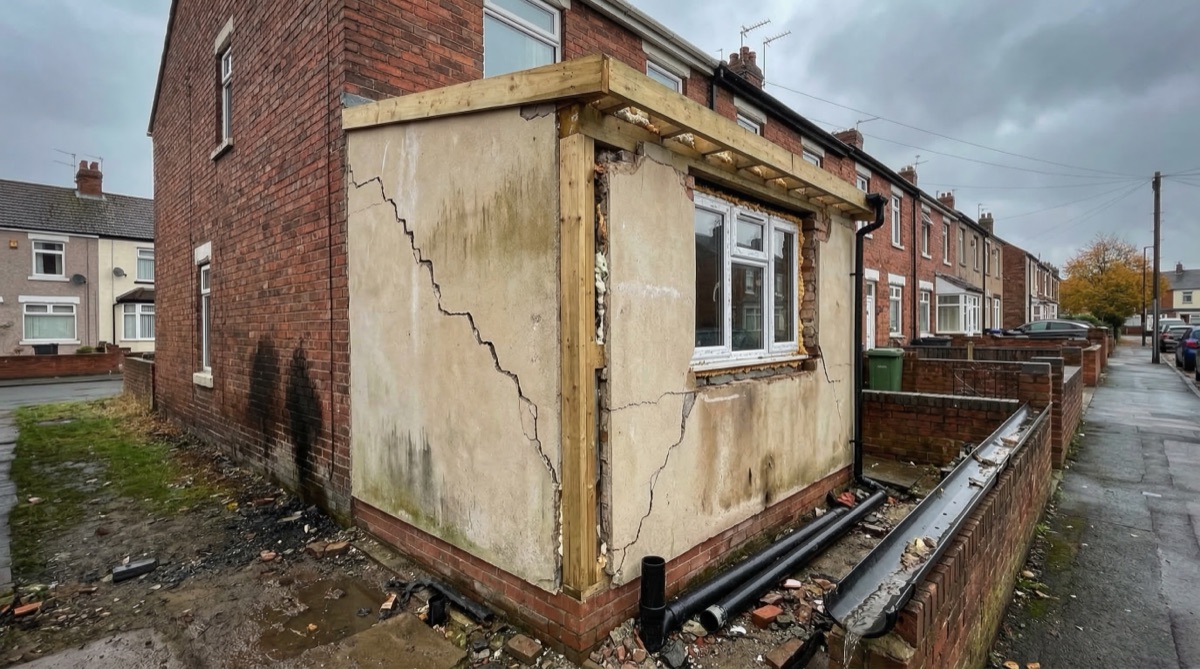
House Extension Mistakes to Avoid: Expert Warnings
Learn critical mistakes to avoid when planning and executing house extensions. Expert warnings help prevent costly problems and ensure successful projects.
Common House Extension Mistakes: Expert Warnings
Many house extension projects encounter problems that could have been prevented through better planning and understanding. Common mistakes waste money, delay completion, create quality problems, and sometimes require expensive remedial work. Learning from others' mistakes helps you avoid these pitfalls, ensuring your extension project proceeds smoothly and achieves excellent outcomes. This comprehensive guide documents critical mistakes to avoid, explores why they occur, and provides strategies preventing problems.
Mistake 1: Underestimating Project Timelines
The Problem: Most homeowners significantly underestimate extension timelines. Assuming 6-8 month projects often take 12-15 months. This timeline underestimation causes stress, disrupts household planning, and sometimes creates financial strain if temporary accommodation is needed.
Why It Happens: Optimistic thinking leads to best-case timeline assumptions. Reality involves planning delays, contractor availability issues, weather impacts, and inevitable discoveries requiring additional work. Best-case scenarios rarely materialize.
How to Avoid It: Plan for realistic timelines: 2-4 months feasibility and concept design, 4-6 months planning applications, 4-8 weeks building regulations, 2-4 weeks contractor procurement, 12-16 weeks construction for single storey extensions. Add contingency time (10-15%) accommodating inevitable delays. Discuss realistic timelines thoroughly with your specialist team. Plan household arrangements assuming timelines will be exceeded.
Mistake 2: Inadequate Budgeting and Contingency
The Problem: Many projects exceed budgets significantly. Homeowners often budget construction costs while excluding professional fees, contingency, or other expenses. Budget overruns create financial stress and sometimes prevent projects from completing properly.
Why It Happens: Cost underestimation stems from: overlooking professional fees and approvals costs, failing to include contingency, discovering structural issues requiring remedial work, or changing design mid-project increasing costs. First-time builders often lack awareness of complete cost structures.
How to Avoid It: Create complete budgets including all costs: design and professional fees (8-15% of construction), building regulations and approvals, party wall procedures (if applicable), contingency (10-15% of construction), temporary accommodation if needed, insurance and warranties. Obtain detailed quotations covering complete work scope. Include contingency for unexpected discoveries. Avoid design changes once construction commences; changes always cost significantly more.
Mistake 3: Selecting Contractors Based Primarily on Price
The Problem: Choosing lowest-price contractors often results in quality problems, timeline issues, or incomplete work. Budget contractors sometimes cut corners, lack experience, or operate with inadequate supervision. Low prices often indicate inadequate resourcing or understanding of project complexity.
Why It Happens: Financial pressure leads homeowners to choose lowest quotes. However, cheapest quotes often reflect poor quality rather than efficiency.
How to Avoid It: Evaluate contractors holistically: experience with similar projects, quality of references, site insurance and guarantees, detailed quotations showing understanding of full scope, realistic timelines (not unrealistically fast), professional communication and responsiveness. Choose contractors for quality and reliability, not lowest cost. Mid-range quality contractors often provide best value combining reasonable costs with reliability and quality.
Mistake 4: Skipping Professional Design Input
The Problem: Some homeowners attempt designs themselves or hire unqualified individuals to minimize professional fees. Amateur designs frequently fail planning approval, create building regulations issues, don't function optimally, or create poor value recovery. Professional design fees are typically recouped through avoided problems and better value recovery.
Why It Happens: Professional fees (8-15% of project cost) seem expensive, encouraging cost minimization. However, poor designs cost far more through rejections, complications, and poor results.
How to Avoid It: Engage qualified architects or surveyors for complete design development. Professional expertise ensures planning approval likelihood, building regulations compliance, optimal functionality, and good value recovery. Professional fees represent excellent investment despite appearing expensive upfront.
Mistake 5: Inadequate Neighbor Engagement and Party Wall Procedures
The Problem: Failing to properly manage party wall procedures creates legal liability. Neighbor disputes sometimes halt work, requiring expensive remediation or legal costs. Poor relationships with neighbors poison the living experience.
Why It Happens: Some homeowners view party wall procedures as unnecessary bureaucracy or attempt shortcuts avoiding costs. Others fail to engage neighbors informally before formal procedures, missing opportunities to build cooperation.
How to Avoid It: Follow party wall procedures scrupulously if applicable. Engage experienced party wall surveyors ensuring compliance and fairness. Discuss plans informally with neighbors before formal procedures when appropriate. Build goodwill through clear communication and respect for neighbor concerns. Professional party wall management costs far less than disputes or legal complications.
Mistake 6: Poor Planning Permission Strategy
The Problem: Some extensions fail planning approval despite being technically viable. Unsuccessful applications waste months and require expensive redesign. Poor planning strategy sometimes results in approval conditions creating expensive modifications.
Why It Happens: Insufficient understanding of planning policy, inadequate heritage sensitivity, poor neighbor consultation, or failure to address planning officer concerns create rejections that could have been prevented.
How to Avoid It: Engage planners experienced with your specific local authority. Understand local policies and conservation considerations. Design with planning approval in mind from inception. Conduct pre-application consultation with planning officers identifying concerns early. Address officer concerns through design modification before formal submission. Invest in proper heritage assessments when required.
Mistake 7: Living During Construction Without Proper Planning
The Problem: Homeowners living through construction without planning often experience worse disruption than necessary. Inadequate protection from dust, poor noise management, unestablished ground rules with contractors, and insufficient mental health management create unnecessary misery.
Why It Happens: Some homeowners assume disruption is unavoidable and endure problems without planning mitigation. Others fail to establish clear expectations with contractors.
How to Avoid It: Plan specifically for living-during-construction management: establish dust protection barriers, plan noise mitigation strategies, establish clear ground rules with contractors, maintain regular routines for normalcy, plan regular offsite time, ensure sleep quality prioritization. These management strategies transform living-during-construction from nightmare to manageable disruption.
Mistake 8: Inadequate Building Regulations Compliance
The Problem: Some extensions proceed without proper building regulations approval or compliance. Defects discovered later create expensive remedial work. Insurance issues or future sale complications arise without building regulations certificates.
Why It Happens: Some homeowners view building regulations as unnecessary bureaucracy. Others attempt DIY work without understanding regulation requirements. Unscrupulous contractors sometimes skip proper procedures to reduce costs.
How to Avoid It: Obtain building regulations approval before any construction commences. Ensure contractor understands and complies with all building standards. Coordinate with building control throughout project ensuring inspections occur on schedule. Obtain completion certificates verifying compliance. Never compromise building regulations compliance for cost or timeline savings.
Mistake 9: Overlooking Structural Assessment
The Problem: Proceeding without proper structural assessment sometimes reveals problems during construction. Existing damage requiring remedial work, foundations inadequate for new loads, or structural deterioration create unexpected costs and delays.
Why It Happens: Initial structural assessment seems like unnecessary expense; homeowners sometimes skip this step to reduce upfront costs. However, structural problems discovered during construction cost far more than upfront assessment.
How to Avoid It: Commission structural engineer assessment before final design commitment. Understand existing structure condition, load-bearing capacity, and any remedial work required. Design extensions accounting for structural realities. If problems exist, address them early in project planning when solutions are least expensive.
Mistake 10: Inadequate Procurement and Contractor Selection
The Problem: Rushing contractor selection or inadequate procurement results in unprepared contractors, underestimated costs, or quality problems. Contractors lacking understanding of project scope often exceed timelines and budgets.
Why It Happens: Desire to commence work quickly leads to rushing contractor selection. Inadequate time spent on procurement sometimes results in contractors poorly equipped to execute projects effectively.
How to Avoid It: Allow 4-6 weeks for thorough procurement including quotation requests, review, negotiation, and contract finalization. Interview multiple contractors thoroughly. Check references and previous work. Ensure contractors understand full project scope. Obtain detailed quotations showing understanding of all work. Use properly drafted contracts documenting scope, timelines, costs, and responsibilities clearly.
Mistake 11: Poor Design Quality and Functionality Issues
The Problem: Some extensions are built but don't function well. Kitchens have poor workflow, lighting is inadequate, spaces feel cramped, or flow between old and new is awkward. Functional problems are difficult to remediate after construction.
Why It Happens: Insufficient design attention to functionality creates spaces that work geometrically but not practically. Amateur design or insufficient consultation with homeowners sometimes results in designs not matching actual requirements.
How to Avoid It: Invest in thorough design development. Test designs against your actual requirements and movement patterns. Ensure adequate natural light, good proportions, and appropriate sizing. Consult professionals experienced with similar spaces understanding what works well. Visualize completed spaces (3D models help) before construction to confirm designs function as intended.
Mistake 12: Insufficient Material and Finish Quality
The Problem: Selecting lowest-cost materials and finishes undermines overall extension quality. Poor-quality materials deteriorate rapidly, require frequent replacement, or create uncomfortable spaces. Material choices significantly affect long-term satisfaction and property value.
Why It Happens: Cost pressure leads to material compromises. However, quality materials often cost minimally more than poor alternatives while lasting significantly longer and performing much better.
How to Avoid It: Invest in quality materials appropriate for intended use. Plan finishes supporting maintenance and durability. Coordinate materials and finishes creating cohesive, attractive results. Quality materials typically return their premium investment through enhanced longevity, better performance, and improved property value.
Summary: Learning from Others' Mistakes
House extension mistakes often stem from underestimation, cost-cutting, or inadequate planning. Most mistakes are preventable through: realistic timeline and budget planning, quality professional engagement, thorough structural and design assessment, proper neighbor relations, building regulations compliance, thoughtful contractor selection, and quality execution. Learning from others' costly mistakes helps you plan better projects avoiding problems. Engage experienced professionals familiar with your specific circumstances. Plan thoroughly and realistically. Execute with attention to quality and detail. These fundamentals prevent most common problems ensuring your extension project achieves excellent outcomes.
Explore More House Extension Design Options
Related Articles
Comprehensive guide to house extension planning permission in 2024. Learn about costs, timelines, planning applications, and what to expect from professional house extension specialists.
Discover the key advantages of choosing professional house extension services. From cost savings to creative solutions, learn why specialists are essential for successful projects.
Complete guide to house extension costs in the UK. Learn about fee structures, budgeting tips, and how to get maximum value from your house extension investment.
Ready to Get Started?
Home Extensions Now Team
Our expert team of architectural design specialists brings decades of combined experience in UK house extension design and planning services for residential and commercial projects. We're committed to providing clear, actionable insights to help you make informed decisions about your home extension projects.
Ready to Plan Your Home Extension?
Whether you're planning a single-storey extension, renovation project, or complete home redesign, our house extension design solutions can help you build quickly and confidently.