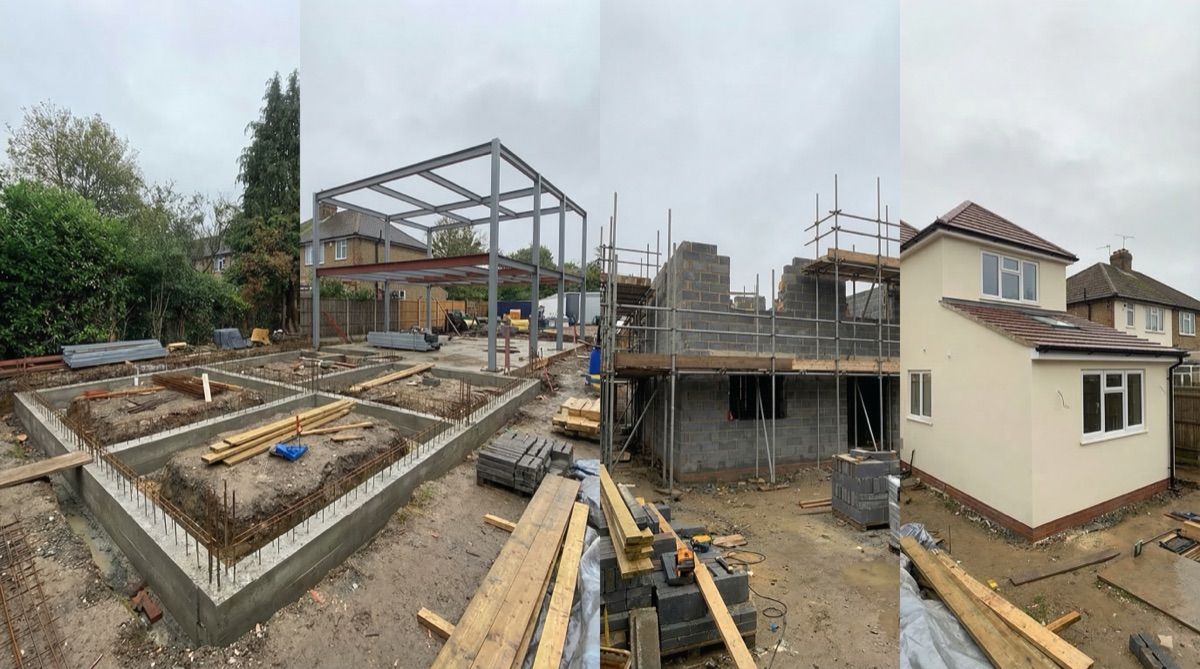
House Extension Project Timeline Month by Month
Detailed month-by-month timeline for house extension projects. Understand realistic progression from initial consultation through final completion.
House Extension Timeline: Month-by-Month Breakdown
Understanding realistic project progression helps homeowners plan effectively and manage expectations throughout extension projects. This detailed month-by-month breakdown illustrates typical project progression for straightforward single storey extensions, the most common extension type. Your specific project may progress differently depending on complexity, planning circumstances, and other factors, but this timeline provides realistic framework for understanding typical project duration and sequence.
Month 1: Initial Consultation and Feasibility Assessment
Week 1-2: Initial consultation with architects or house extension specialists. Discuss vision, budget, and timeline. Site visit for measurements and assessment. Week 3: Feasibility study completion. Review of local planning policies and initial constraint identification. Week 4: Report presentation with honest assessment of possibilities, realistic costs, and feasibility. Confirmation of proceeding to design phase.
Key Activities: Select your specialist team. Document your vision and requirements clearly. Have frank discussions about budget constraints and timelines. Understand what's realistically achievable. Outcomes: Confirmed feasibility, understanding of typical costs and timelines, decision to proceed with design.
Month 2-3: Concept and Initial Design Development
Week 1-2 (Month 2): Initial design concepts prepared exploring different spatial arrangements. Typically 2-3 options presented. Week 3-4 (Month 2): Feedback provided on concepts. Preferred direction identified. Week 1-2 (Month 3): Refined design development based on feedback. Materials and finishes exploration. Week 3-4 (Month 3): Nearly complete design drawings prepared. Specification compilation begins.
Key Activities: Provide thorough feedback on design concepts. Attend design meetings to discuss options. Explore material and finish options. Confirm final design direction. Outcomes: Finalized design direction. Complete design drawings ready for planning. Material specifications defined.
Month 4: Detailed Design and Planning Preparation
Week 1-2: Final detailed drawings completion. Technical specifications finalization. Structural engineer assessment if required. Week 3: Planning application documents preparation. Heritage impact assessments or neighbor consultation as needed. Week 4: Final review of all planning documents. Building regulations drawings preparation begins.
Key Activities: Final design confirmation. Review of all planning documents. Confirm all supporting documents are complete and professional. Informal neighbor consultation if appropriate. Outcomes: Complete planning application package ready for submission. Building regulations drawings in preparation.
Month 5: Planning Application Submission and Processing
Week 1: Planning application formal submission. Application validation begins. Week 2-3: Application validation completion (5 working days maximum). If application is incomplete, return for additional documentation. Week 3-8: Planning officer assessment period. Consultations with utilities, environmental health, highways as required. Pre-application discussions if scheduled.
Key Activities: Confirm application successful validation. Be available for pre-application discussions if scheduled. Prepare for potential officer questions. Outcomes: Application progresses through assessment. Planning officer report preparation underway.
Month 6-7: Planning Determination Period
Month 6, Week 1-3: Continued planning assessment. Planning committee agenda preparation for contentious applications. Week 4: Many applications appear on planning agendas this week. Committee meetings held. Month 7, Week 1-2: Committee decisions issued for applications that went to committee. Simple applications recommended for approval typically determined by delegated authority without committee.
Key Activities: Monitor planning portal for updates. Prepare comments if public consultation period occurs. Plan for potential appeals if refusal occurs. Be ready for planning approval. Outcomes: Planning permission typically granted by Month 7 for straightforward applications. Time to activate next phases immediately.
Month 6-7 (Parallel): Building Regulations Submission
Month 6 (parallel with planning): Building regulations drawings completion. Detailed specifications finalized. Building control application prepared and submitted. Week 3-4: Building control assessment. Clarification drawings or additional information requested if required. Month 7: Full building regulations approval typically achieved.
Key Activities: Ensure building regulations submission occurs promptly after planning approval (or in parallel before approval if possible). Respond promptly to building control questions. Outcomes: Building regulations approval achieved. Contractor can commence construction upon planning approval.
Month 8: Contractor Selection and Procurement
Week 1-2: Obtain quotations from 2-3 qualified contractors based on approved designs. Week 3: Review quotations. Negotiate terms with preferred contractors. Week 4: Finalize contracts. Arrange insurance and guarantees. Confirm contractor commencement date.
Key Activities: Interview contractors thoroughly. Check references and previous work. Confirm insurance and guarantees in place. Establish clear communication protocols. Outcomes: Contractor selected and contracted. Commencement date confirmed. Site preparation planning begins.
Month 9: Site Setup and Foundation Work Begins
Week 1-2: Site setup and protection installation. Temporary barriers and access routes established. Services location surveys if required. Week 3-4: Foundation and structural work begins. Excavation and ground works. Building control foundation inspection.
Key Activities: Establish living-during-construction protocols if remaining on-site. Confirm site cleanliness and access arrangements. Be available for building control inspections. Outcomes: Structural work progressing. Building control engagement established. Regular progress monitoring begins.
Month 10: Structural Work Continuation
Week 1-4: Continued foundation and structural work. Ground works completion. Structural elements installation begins. Building control structural inspections. Services (plumbing, electrical) preliminary routing planning.
Key Activities: Weekly site progress meetings. Address any structural discoveries or issues promptly. Maintain clear communication with contractors. Outcomes: Structural work substantially complete by month end. Services routing confirmed.
Month 11: Roof Installation and Weather Protection
Week 1-3: Roof structure installation. Roof coverings and weather protection. Building control roof inspection. Week 4: Windows and doors installation begins. External envelope closure.
Key Activities: Confirm weather protection is complete before poor weather. Monitor roof installation quality. Address any weather-related issues immediately. Outcomes: Extension weather-protected. Work can proceed regardless of weather. Services installation can advance.
Month 12: Internal Services Installation
Week 1-4: Electrical wiring installation. Plumbing and heating installation. Building control services inspections. Mechanical ventilation installation if required. Insulation installation coordination.
Key Activities: Ensure services installation follows building regulations. Building control inspections occur on schedule. Address any code defects immediately. Outcomes: Major services substantially installed. Internal finishes can begin.
Month 13-14: Internal Finishes and Final Stages
Month 13, Week 1-3: Plasterboard installation and finishing. Internal painting and decoration. Fixture and fitting installation. Month 13, Week 4-Month 14, Week 2: Flooring installation. Kitchen and bathroom fixture installation. Final mechanical checks and adjustments. Final building control inspections.
Key Activities: Intensive finish work and decoration. Confirm fixture selections and installations. Prepare snag lists for final items. Arrange building control final inspection. Outcomes: Extension substantially complete. Minor finish items remain for final completion.
Month 15: Completion and Handover
Week 1-2: Final snag list completion. Remedial work on any defects identified. Building control final certificate issuance. Site cleanup and final clearance. Week 3-4: Keys transferred. Defects liability period begins. Contractor warrantees confirmed.
Key Activities: Conduct final walkthrough. Prepare comprehensive snag list. Confirm all warranty documentation received. Establish clear protocols for post-completion issues. Outcomes: Extension complete and habitable. Warranty period begins. Defects liability period established.
Post-Completion: Warranty and Monitoring Period
Months 16-28: Defects liability period continues. Contractor available for any outstanding items. Structural warranty protection begins (10-year coverage). Monitor for any issues or problems. Months 28-120: Long-term warranty coverage continues. Annual maintenance and monitoring.
Key Activities: Monitor extension performance and maintenance. Address any defects discovered during defects liability period. Maintain warranty documentation. Plan long-term maintenance. Outcomes: Extension performs as intended. Warranty protection in place for 10 years.
Factors Affecting Your Specific Timeline
Planning Complexity: Straightforward applications may achieve approval within 3 months. Contentious applications requiring committee determination may take 5-6 months. Heritage constraints may extend planning timelines further.
Weather Impacts: Winter projects progress more slowly. Wet weather delays roof and external work. Weather-related delays typically extend timelines 2-4 weeks.
Construction Complexity: Simple extensions progress faster. Complex structural work or services integration extends timelines 2-4 weeks.
Contractor Experience: Experienced contractors maintain timelines. Inexperienced builders often run 4-8 weeks behind schedule.
Summary: Realistic Planning Framework
Most straightforward single storey extensions require 12-15 months from initial consultation through final completion. Planning approval typically requires 4-6 months. Construction typically requires 12-16 weeks. Understanding realistic timelines helps you plan effectively: coordinate other projects, schedule temporary accommodation if needed, plan budget expenditure over appropriate timeframes. Discuss realistic timelines with your specialist team. Understand that faster timelines typically come at cost premium and may sacrifice quality. Plan for contingency time accommodating inevitable delays. With proper planning and realistic expectations, extension projects progress smoothly creating wonderful new spaces enhancing your home and property value for years to come.
Explore More House Extension Design Options
Related Articles
Comprehensive guide to house extension planning permission in 2024. Learn about costs, timelines, planning applications, and what to expect from professional house extension specialists.
Discover the key advantages of choosing professional house extension services. From cost savings to creative solutions, learn why specialists are essential for successful projects.
Complete guide to house extension costs in the UK. Learn about fee structures, budgeting tips, and how to get maximum value from your house extension investment.
Ready to Get Started?
Home Extensions Now Team
Our expert team of architectural design specialists brings decades of combined experience in UK house extension design and planning services for residential and commercial projects. We're committed to providing clear, actionable insights to help you make informed decisions about your home extension projects.
Ready to Plan Your Home Extension?
Whether you're planning a single-storey extension, renovation project, or complete home redesign, our house extension design solutions can help you build quickly and confidently.