Managing Your Extension Project: Timeline, Contracts and Expectations
Manage your extension project effectively. Learn about realistic timelines, contract management, communication strategies, and setting expectations for successful completion.
Managing Your Extension Project Successfully
Managing an extension project successfully involves clear planning, realistic timelines, proper contracts, and ongoing communication with all stakeholders. Most projects experience challenges — understanding these challenges and planning for them prevents surprises and ensures projects deliver expected results on time and budget. This comprehensive guide covers project planning, realistic timelines, contract management, communication strategies, and how to navigate the inevitable challenges that arise during construction.
Project Timeline Overview
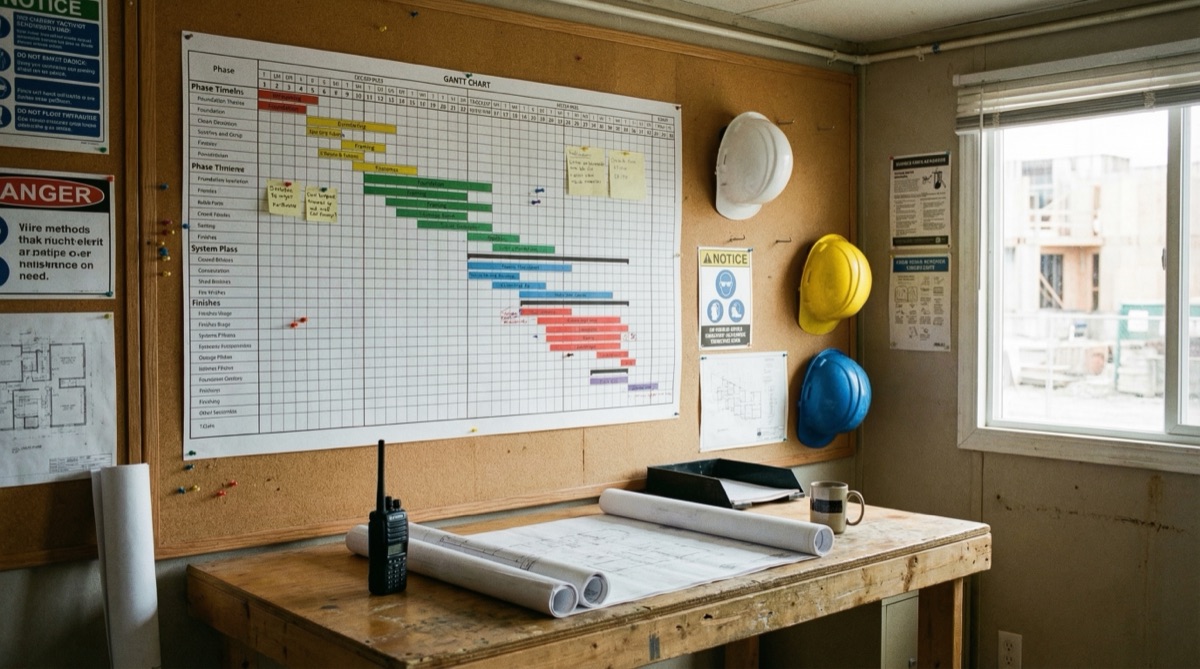
Feasibility and Design Phase (4-8 weeks): Professional feasibility assessment, design development, and client consultation. For complex projects, this phase is longer. Clear scope definition during this phase prevents costly changes later.
Planning and Building Regulations (8-16 weeks): Planning applications (if required) and building regulations approvals. Timelines vary greatly depending on complexity and local authority performance. Some authorities respond within 8 weeks; others take 12+ weeks. Assume 12 weeks as standard.
Tender and Contract (2-4 weeks): Obtaining builder quotes, comparing proposals, negotiating terms, and executing contracts. Rushing this phase risks hiring unsuitable builders. Allow adequate time for thorough evaluation.
Construction Phase (8-16 weeks): Actual building work from mobilization through completion. Simple single-storey extensions typically take 12-14 weeks; double-storey or complex projects take 16-20+ weeks. Weather, ground conditions, and unexpected issues affect timelines.
Post-Completion Phase (2-4 weeks): Final inspections, defects correction, and handover. Building control final certification and defects list resolution can take several weeks.
Total Timeline (Average): 5-7 months from initial feasibility through completion for straightforward projects. Complex projects often take 8-10 months or longer.
Realistic Timeline Planning
Contingency for Delays: Most projects experience delays. Building 10-15% contingency into timelines (adding 3-4 weeks to planned timelines) accommodates minor delays without project becoming substantially behind. Contingency absorbs weather delays, minor unexpected issues, and normal construction variability.
Planning Delays: Planning processes occasionally extend beyond standard timelines. If planning authorities request amendments, additional information, or public consultation periods are extended, timelines slip. Budget extra time when submitting planning applications.
Weather Impacts: Winter weather (rain, frost) slows construction. Foundation work, concrete curing, and roofing are particularly affected by weather. Projects starting in autumn/early winter often extend into spring as weather delays accumulate.
Discovery Issues: Archaeological finds, unexpected ground conditions, hidden structural defects, or utility conflicts occasionally discovered during construction require investigation and modification. Budget contingency time and cost for these discoveries.
Supply Chain Issues: Material shortages, long lead times for specialized items, or supplier delays can slow projects. In post-pandemic economy, supply chains remain unpredictable. Long lead time items (kitchens, windows, specialized equipment) should be ordered early.
Contracts and Terms
Written Contracts: Always use written contracts specifying scope, price, timeline, terms, and dispute resolution. Verbal agreements create misunderstandings and disputes. Professional contracts (using templates like JCT Minor Works or equivalent) protect both parties.
Scope Definition: Contracts should clearly specify what's included and excluded. Detailed schedules listing finishes, materials, and specifications prevent misunderstandings. Ambiguous scope leads to disputes about costs and responsibility.
Payment Terms: Stage payments (30% on mobilization, 30% at roof stage, 20% at fit-out completion, 20% after defects correction) are typical. Avoid paying in full upfront — retaining final payment provides leverage for defects correction. Payments should be tied to work milestones, not just time.
Warranty and Guarantees: Builders should provide workmanship guarantees (typically 12 months) covering defects caused by poor workmanship. Longer guarantees (5-10 years) indicate confidence in work quality. Building control completion certificates provide structural warranty.
Insurance and Liability: Ensure builders carry appropriate insurance (public liability, professional indemnity if applicable). Insurance protects you if accidents occur or defects require rectification. Retain insurance certificates before work starts.
Variations and Changes: Procedures for handling design changes, additional work, and scope modifications must be clearly specified. Without clear variation procedures, disputes arise about costs of changes. Always get changes in writing with agreed costs before proceeding.
Communication Strategy
Regular Meetings: Weekly or bi-weekly progress meetings with the builder, your architect, and project manager (if employed) maintain communication and allow early issue identification. Meetings create record of discussions and decisions.
Site Inspections: Regular site visits (weekly or bi-weekly) allow you to see progress and identify concerns early. Don't wait for formal meetings to visit — regular informal visits provide broader visibility of work quality.
Documentation: Document all communications — site meeting minutes, photographs, correspondence. If disputes arise, documentation clarifies what was decided and when. Email communication is preferable to verbal as it creates record.
Clear Expectations: Ensure all parties understand expectations: what will be completed, timeline, quality standards, and how issues will be handled. Misaligned expectations cause disputes — explicit clarity prevents problems.
Escalation Procedures: Establish how problems will be addressed if they arise. Minor issues should be resolved through site manager communication. Significant issues may require escalation to builder directors or professional mediation. Clear escalation procedures prevent minor issues becoming major disputes.
Common Project Challenges and Solutions
Schedule Delays: If work falls behind schedule, identify causes and develop recovery plan. Sometimes additional labor or modifications to sequencing recover time. Sometimes accepting revised timelines is appropriate. Communicate revised expectations clearly.
Budget Overruns: If costs exceed budget, identify causes. Some variations (client-requested changes) are billable; others (builder's errors, inadequate planning) are not. Clear contracts specify responsibility. Address budget issues immediately — small overruns can become large if not managed.
Quality Issues: If workmanship doesn't meet standards, document concerns and request corrective action. Most builders promptly address genuine quality problems. If builder resists correcting defects, escalate through professional channels or consider mediation.
Neighbor Disputes: Construction affects neighbors through noise, traffic, and disruption. Communicating regularly with neighbors, working within agreed hours, and minimizing disruption prevents escalation. Most neighbor issues can be resolved through communication and compromise.
Unexpected Conditions: If unexpected ground conditions, services, or structural issues are discovered, assess impact on timeline and budget. Work with your professional team to develop solutions. Most contracts allow reasonable cost/time adjustments for genuine unforeseen conditions.
Project Roles and Responsibilities
You (Client): Make decisions timely (selections, approvals, change authorization), communicate expectations clearly, inspect progress regularly, pay invoices on schedule, and escalate concerns promptly.
Architect/Designer: Provide detailed designs, technical guidance, contract administration, site inspections, and professional advice on quality standards and dispute resolution.
Project Manager (if appointed): Coordinate all parties, manage timeline and budget, resolve issues, and ensure quality standards are met throughout construction.
Builder: Execute work according to specifications, maintain schedule, employ qualified craftspeople, manage subcontractors, and promptly correct defects.
Building Control Inspector: Inspect work at key stages to ensure building regulations compliance. Provides independent verification of quality and compliance.
Decision-Making During Construction
Material and Finish Selections: Make selections early (before work starts). Last-minute changes create delays and cost increases. Plan selections during design phase when possible.
Design Variations: Occasionally you discover during construction that original designs don't work as expected. Variations are possible but often increase cost and delay timeline. Authorized variations should be documented in writing before proceeding.
Budget Contingencies: Set aside contingency (typically 5-10% of project budget) for unforeseen costs. Use contingency only for genuine unexpected issues, not scope creep.
Timeline Flexibility: Build flexibility into timelines for minor delays. Rigid insistence on meeting timelines regardless of issues creates poor quality. Allow reasonable time for quality work while maintaining reasonable progress.
Final Inspection and Handover
Defects List: Near completion, prepare detailed defects list identifying any issues requiring remedy. Most issues are minor — punch list items like touch-ups, final cleaning, or minor adjustments. Give builders reasonable time to correct defects.
Building Control Certification: Building control must issue completion certificate confirming work complies with building regulations. Never consider project complete without this certificate — it's essential for future sales and insurance.
Snagging Inspection: After defects are corrected, conduct final inspection confirming all work is satisfactory. Once satisfied, you can formally hand over to the builder and release final payment.
Documentation and Records: Collect all documentation: construction photos, warranties, operation manuals for equipment, maintenance schedules, and building control completion certificate. Maintain these records for future reference.
Post-Completion: Warranty and Maintenance
Workmanship Warranty: Most builders provide 12-month warranties on workmanship. Note any issues within the warranty period — builders are obligated to address them. After 12 months, you're responsible for repairs.
Equipment Warranties: Kitchen appliances, heating systems, and other equipment have manufacturer warranties (typically 1-5 years). Maintain documentation and register products for warranty coverage.
Building Control Certification: Building control issues a 10-year defects certificate (through NHBC or equivalent) covering structural defects. Maintain this certificate as proof of compliance.
Ongoing Maintenance: The extension requires maintenance to preserve quality. Annual inspections of roof, gutters, sealants, and exterior surfaces identify maintenance needs early, preventing costly repairs.
Successful Project Summary
Successful projects combine: clear scope definition, realistic budgets and timelines, written contracts protecting all parties, regular communication and site inspections, professional oversight, and fair treatment of all parties. While challenges inevitably arise, proper planning and management keep projects on track and deliver successful results.
Explore More House Extension Design Options
Related Articles
Comprehensive guide to house extension planning permission in 2024. Learn about costs, timelines, planning applications, and what to expect from professional house extension specialists.
Discover the key advantages of choosing professional house extension services. From cost savings to creative solutions, learn why specialists are essential for successful projects.
Complete guide to house extension costs in the UK. Learn about fee structures, budgeting tips, and how to get maximum value from your house extension investment.
Ready to Get Started?
Home Extensions Now Team
Our expert team of architectural design specialists brings decades of combined experience in UK house extension design and planning services for residential and commercial projects. We're committed to providing clear, actionable insights to help you make informed decisions about your home extension projects.
Ready to Plan Your Home Extension?
Whether you're planning a single-storey extension, renovation project, or complete home redesign, our house extension design solutions can help you build quickly and confidently.