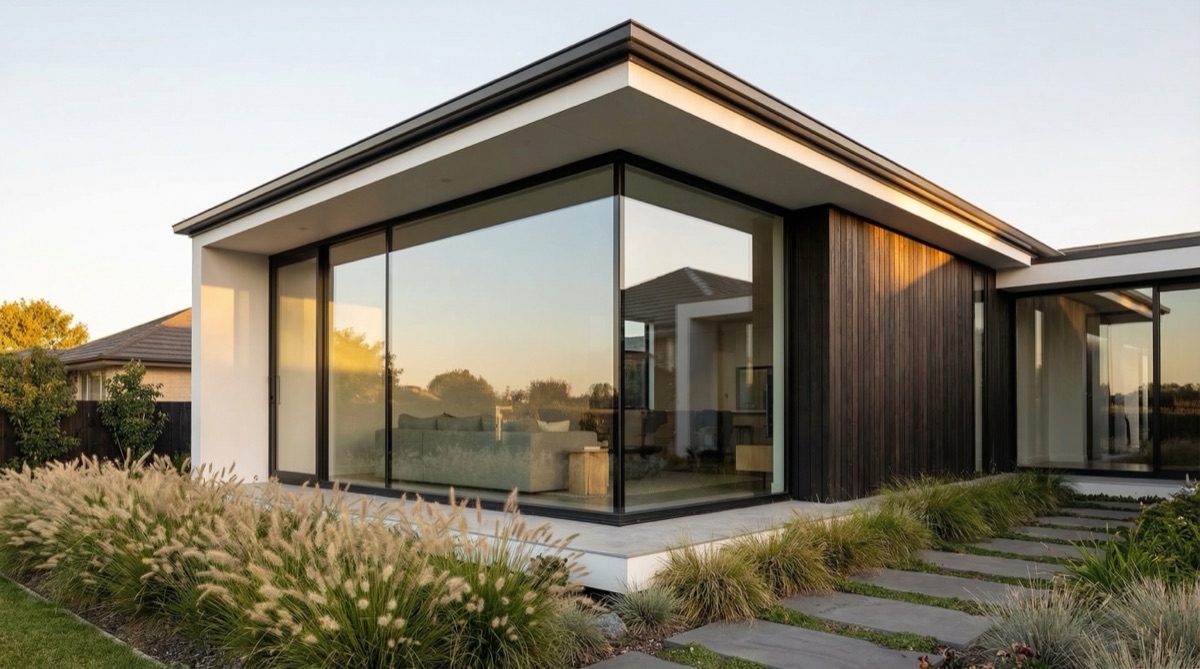
Modern House Extension Design Trends: What's Popular Now
Explore current design trends in house extensions. Learn about popular styles, materials, and features that appeal to contemporary homeowners and add lasting value.
Current Trends in House Extension Design
House extension design continues to evolve with contemporary tastes, sustainability priorities, and technological innovations. Understanding current design trends helps you create extensions that look modern, function well, and appeal to future buyers. This guide explores the most popular design directions, materials, and features defining house extensions in 2024, along with analysis of which trends represent lasting value versus temporary fashions.
Open-Plan Living
Open-plan layouts remain dominant in contemporary extensions, combining kitchen, dining, and living areas into single large spaces. This trend maximizes flexibility and allows light to penetrate deep into extensions. However, there's growing recognition that purely open-plan can lack zones and acoustic privacy. The emerging trend is "broken-plan" design, where spaces flow together but are subtly defined through subtle changes in ceiling height, flooring materials, or partial screens rather than walls. This provides flexibility while maintaining some sense of distinct zones.
Open-plan works best with large extensions (over 30 sqm) where the space naturally divides into functional areas. Smaller extensions can feel cramped and lack definition when fully open. Bi-fold doors between kitchen and living areas allow flexibility — doors can be closed to define spaces or opened for fully open-plan entertaining.
Connection to Outdoor Space
Seamless connection between indoor and outdoor living is increasingly important. This involves full-width bi-fold or sliding doors, flush thresholds eliminating trip hazards, consistent flooring inside and out, and design that extends the interior aesthetic into the garden. High-quality bi-fold doors with minimal frames maximize views and light while creating generous openings. Roof overhangs extending over outdoor areas blur the boundary between inside and outside.
This trend reflects the growing importance of gardens for recreation, relaxation, and entertaining. Well-designed extensions feel like natural continuations of the garden rather than distinct indoor spaces cut off from the outdoors.
Natural Light Maximization
Large windows, roof lanterns, and skylights are now standard in most extensions. Clients expect bright, light-filled spaces, and designers increasingly prioritize natural light through strategic window placement. Roof lanterns over islands or dining tables create focal points of light. Continuous rooflights along party walls (common on side-return extensions) flood previously dark spaces with light.
The trend extends to solar gain considerations, with designers increasingly incorporating passive solar design principles. Windows are positioned to maximize winter solar gain while summer shading prevents overheating. This delivers energy savings while improving user experience.
Sustainable and Eco-Conscious Design
Sustainability is now mainstream in extension design rather than a niche concern. Clients expect high-performance insulation, renewable energy systems, and sustainable materials. Heat pumps are increasingly specified instead of traditional boilers. Solar thermal or photovoltaic panels are common on south-facing roofs. Underfloor heating (supplied by heat pumps or boilers) is increasingly standard, providing efficient, quiet heating.
Material selection now considers embodied carbon, with natural materials like timber and stone preferred over synthetic alternatives. Reclaimed materials are increasingly popular, and responsible sourcing is expected. Building performance targets are now more ambitious, with net-zero carbon becoming the goal for forward-thinking projects.
Exposed Structural Elements
Exposed timber beams, steel columns, and other structural elements are fashionable, adding visual interest and authenticity. This trend works well in contemporary and industrial-influenced designs. However, it requires careful structural design to make exposed elements structurally sound and aesthetically appropriate. Exposed elements also require careful detailing for fire and thermal performance compliance.
Biophilic Design
Biophilic design (bringing natural elements into buildings) is increasingly incorporated through living green walls, plants, natural materials, and water features. Research shows connection to nature improves wellbeing, and designers increasingly incorporate these elements. Green walls can be living (planted) or feature natural wood, stone, and other materials. These elements add cost but deliver psychological benefits and visual appeal.
Wellness-Focused Design
Extensions increasingly prioritize occupant health and wellbeing through considerations like air quality, natural light, thermal comfort, and acoustics. Mechanical ventilation with heat recovery ensures excellent indoor air quality while minimizing heat loss. Acoustic design addresses noise from the street or neighboring properties. Thermal comfort is optimized through proper design of insulation, heating, and ventilation systems.
Smart Home Integration
Smart home technology integration is increasingly standard, with pre-installed electrical infrastructure for future automation. Integrated charging for electric vehicles, smart lighting controlled through mobile apps, and connected heating/cooling systems are becoming expected. Smart home investment should be considered carefully, as some technologies become outdated quickly while others offer lasting value.
Flexibility and Multi-Use Spaces
Recognition that household needs change over time is driving interest in flexible, multi-use spaces. Home office requirements became essential during the pandemic and remain important for many households. Extensions increasingly incorporate spaces that can function as home office, studio, hobby space, or guest bedroom depending on needs. This flexibility adds long-term value by accommodating changing household requirements.
Material Trends
Timber: Natural timber is increasingly popular in visible structure, cladding, and furnishings. Timber's warmth and connection to nature appeal to contemporary aesthetic. However, timber requires appropriate specification for durability and fire safety.
Concrete: Polished concrete floors and exposed concrete walls are fashionable in contemporary design. Concrete's durability, thermal mass, and industrial aesthetic appeal. However, concrete has significant embodied carbon, a consideration for sustainability-minded clients.
Large Format Tiles: Oversized ceramic or stone tiles continue to be popular, creating seamless visual flow and minimizing grout lines. Materials like porcelain are durable and low-maintenance.
Natural Stone: Stone cladding and paving remain popular, adding natural texture and warmth. Responsible sourcing ensures environmental impact is minimized.
Color and Palette Trends
Neutral Palettes: Neutral color schemes remain dominant, with warm grays, whites, and natural timber tones creating calm, timeless interiors. Accent colors are increasingly introduced through textiles and artwork rather than fixed finishes, allowing flexibility as tastes change.
Earth Tones: Warm, earthy tones (terracotta, ochre, natural browns) are increasingly popular, reflecting the biophilic design trend. These colors create cozy, welcoming spaces that feel connected to nature.
Kitchen Trends
Island Kitchens: Kitchen islands remain almost standard in contemporary extensions, providing work surface, storage, and social focal point. Islands increasingly incorporate appliances (cooktops, sinks) and dining seating, creating multi-functional spaces.
Handle-Free Cabinetry: Contemporary kitchens increasingly use push-to-open or touch-catch cabinetry without visible handles, creating clean aesthetic lines. This works well in modern designs but requires quality hardware.
Open Shelving: Open shelving displays attractive dishware and creates visual lightness. However, this requires disciplined kitchen organization and benefits from attractive items worth displaying.
Bathroom Trends
Walk-In Showers: Walk-in showers with minimal framing are increasingly preferred over traditional bathtub/shower combinations. These take up less space and create contemporary aesthetic. However, families with young children or elderly members may prefer the flexibility of a bathtub.
Heated Floors: Heated bathroom floors are increasingly standard, providing comfort and helping moisture removal. Combined with good ventilation, heated floors help prevent condensation and mold.
Natural Materials: Natural stone and wood in bathrooms (within wet areas) are increasingly popular. These require appropriate specification for durability but create beautiful, warm spaces that feel like spas.
Indoor-Outdoor Continuity
Blurred boundaries between indoor and outdoor spaces remain a dominant trend. Large sliding or bi-fold doors, consistent flooring continuing outside, and coordinated finishes create seamless transitions. This trend reflects the desire for flexible living that adapts to weather and season. Pergolas and overhanging roofs extend the covered outdoor space, creating semi-protected areas that bridge interior and exterior. This design approach is particularly valuable in the UK climate where outdoor space can be usable through much of the year.
Which Trends Add Value?
Trends that add lasting value include: open-plan layouts (valued by most buyers), good natural light (universally desired), sustainable features (increasingly important to buyers and future-proofing), quality finishes and materials, and flexible spaces accommodating multiple uses. Trends that may be shorter-lived include: specific color fashions (easily updated through soft furnishings), some smart home technologies (may become outdated), and style-specific design (industrial, maximalist, etc.) that may feel dated in years.
The safest approach combines timeless good design (excellent proportions, quality materials, natural light) with contemporary functionality (open-plan, connection to outdoors, flexible spaces) and progressive sustainability features (heat pumps, insulation, renewable energy). This creates extensions that appeal to contemporary buyers while standing the test of time.
Explore More House Extension Design Options
Related Articles
Comprehensive guide to house extension planning permission in 2024. Learn about costs, timelines, planning applications, and what to expect from professional house extension specialists.
Discover the key advantages of choosing professional house extension services. From cost savings to creative solutions, learn why specialists are essential for successful projects.
Complete guide to house extension costs in the UK. Learn about fee structures, budgeting tips, and how to get maximum value from your house extension investment.
Ready to Get Started?
Home Extensions Now Team
Our expert team of architectural design specialists brings decades of combined experience in UK house extension design and planning services for residential and commercial projects. We're committed to providing clear, actionable insights to help you make informed decisions about your home extension projects.
Ready to Plan Your Home Extension?
Whether you're planning a single-storey extension, renovation project, or complete home redesign, our house extension design solutions can help you build quickly and confidently.