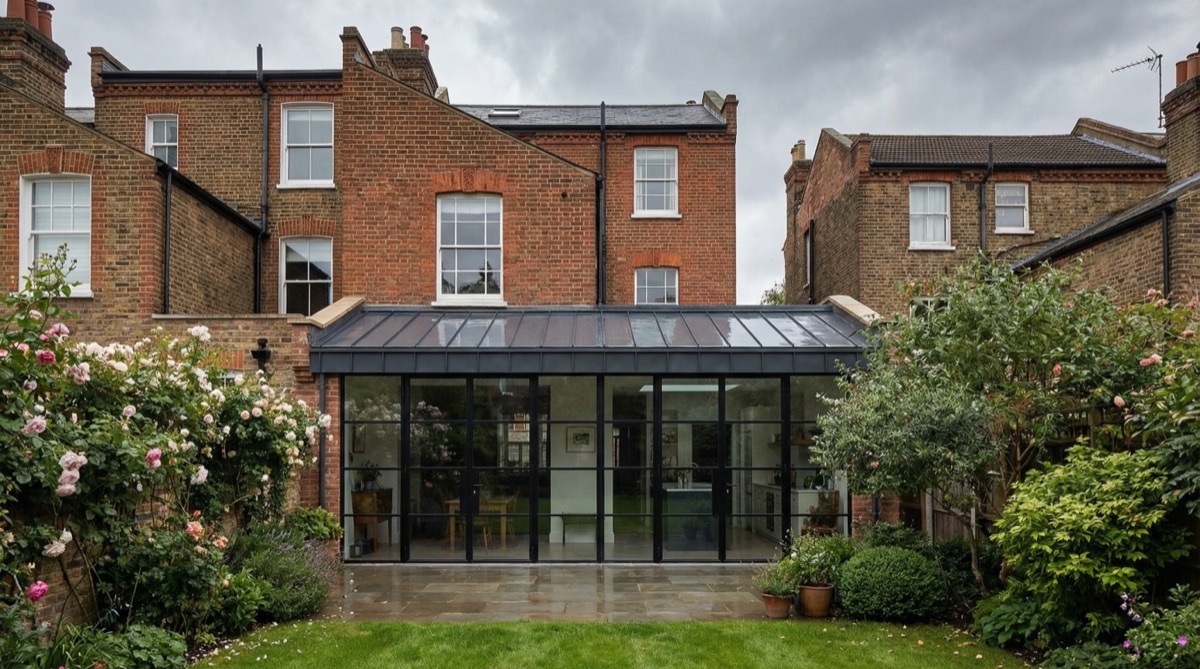
Period Property Extensions: Respecting Heritage While Adding Modern Comfort
Extend period and listed buildings respectfully. Learn about heritage considerations, matching materials, planning requirements, and creating sensitive modern additions.
Extending Period and Heritage Properties
Period properties — Victorian, Edwardian, Georgian, and earlier buildings — possess character and architectural merit that defines neighborhoods. Extending these properties requires sensitivity to existing character while providing modern comfort. Listed building status, conservation area locations, and historical significance create constraints but also opportunities for thoughtful, respectful design. This comprehensive guide explores heritage considerations, planning requirements, material selection, and how to create extensions that enhance period properties while adding modern functionality.
Heritage Property Types and Characteristics
Georgian (1714-1830): Characterized by symmetrical facades, sash windows, prominent doors, subtle ornamentation, and simple rectangular proportions. Georgian interiors feature high ceilings, fireplaces, and paneled walls. Extensions respecting Georgian character maintain proportions and fenestration principles.
Victorian (1837-1901): Varied in style (Early Victorian, Mid-Victorian, Late Victorian) but typically feature: elaborate ornamentation, varied wall materials, steep roofs, bay windows, tall sash windows, and asymmetrical facades. Victorian interiors feature high ceilings, decorative plasterwork, and complex spatial arrangements. Extensions respecting Victorian character maintain ornamental language and proportional relationships.
Edwardian (1901-1920): Generally simpler than Victorian, featuring cleaner lines, less ornament, but maintaining quality craftsmanship. Red brick or rendered walls, sash windows, and simple roof forms characterize Edwardian properties. Extensions respecting Edwardian character balance simplicity with quality detailing.
Art Deco/Art Nouveau (1890-1940): Distinctive styles featuring geometric or organic forms, specialized materials, and specific design vocabularies. Extensions respecting these styles understand and respect their specific design languages.
Planning Permissions for Heritage Properties
Listed Building Consent: Properties listed as buildings of architectural or historical importance require Listed Building Consent (separate from planning permission) for most modifications. Consent requirements are strict — permission may be refused for designs considered harmful to heritage value, even if planning permission would be granted. Professional design understanding local authority heritage policies is essential.
Conservation Area Policies: Properties in conservation areas face additional planning constraints. Design must respect area character. New buildings must be sympathetic to existing architecture. While conservation area designation doesn't prevent extensions, stricter standards apply to design, materials, and appearance than comparable properties outside conservation areas.
Heritage Impact Assessment: Planning applications for heritage property extensions should include heritage impact assessments explaining how design respects heritage values. Professional heritage assessments demonstrating sensitivity to historic character significantly support planning cases.
Design Approaches for Heritage Extensions
Contextual Design: Extensions respecting heritage context understand existing building character and design extensions as compatible additions. This doesn't mean copying historic styles (often unsuccessful if attempted in modern materials) but rather understanding proportions, materials, scale, and composition principles creating visual harmony.
Contemporary Interpretation: Some successful heritage extensions use clearly contemporary design (modern materials, forms, details) creating respectful contrast rather than attempting to match historic architecture with modern materials. Modern interventions, when well-designed, can complement historic fabric through clear distinction.
Setback Design: Locating extensions behind the main facade (not visible from street) reduces visual impact and heritage concerns. Rear extensions on terraced or semi-detached properties naturally sit behind the historic facade, minimizing heritage impact.
Subservient Scale: Extensions designed as clearly secondary structures (lower height, smaller scale, modest materials) respect the primacy of historic buildings. Extensions that compete with historic buildings in scale or prominence face planning objections and heritage concerns.
Material Selection for Heritage Extensions
Matching Historic Materials: The most straightforward approach matches existing materials. Victorian brick extensions continue existing brickwork; stone buildings extend in complementary stone; render applications match existing finishes. Material matching requires careful specification ensuring color, texture, and appearance consistency.
Reclaimed Materials: Using reclaimed bricks, stone, or timber salvaged from demolished buildings creates authentic material matching while promoting sustainability. Reclaimed materials add cost but deliver authentic heritage value. Professional salvage suppliers source materials matching existing specifications.
Historic Repair: Sometimes apparent extensions involve repairing or rebuilding damaged historic elements. Using historic materials and techniques for repairs maintains authenticity and heritage value. Conservation specialists advise on appropriate repair approaches.
Contemporary Material Contrast: Some successful extensions use clearly contemporary materials (modern brick, render, metal, glass) creating respectful contrast. This approach requires careful design and specification ensuring contemporary materials are high-quality and proportionally appropriate.
Window and Door Design for Historic Properties
Window Style Continuity: Historic properties typically have distinctive window styles (sash windows, multi-pane casements, arched windows). Extensions maintaining similar fenestration styles create visual continuity. Modern efficient glazing can be incorporated within traditional-looking frames (wooden sashes with double glazing, timber casements with double glazing).
Proportional Consistency: Window proportions (height-to-width ratios) should respect existing patterns. Oversized windows in extensions or significantly different proportions create visual discord. Careful specification ensuring proportion consistency maintains heritage character.
Door Design: Entry doors and door surrounds set the character of primary elevations. Extending existing door traditions (paneled doors, arched surrounds, etc.) maintains character. Contemporary door designs can work if they respect proportions and materials principles.
Roof Design for Historic Extensions
Pitch and Form: Historic properties have distinctive roof forms and pitches. Extensions maintaining similar roof pitch create visual consistency. Significantly different pitches look disconnected. Understanding existing roof forms and extending them sympathetically maintains heritage character.
Eaves and Detailing: Historic roof eaves often feature distinctive details (overhangs, gutters, brackets). Extensions maintaining similar detailing create consistency. Simple contemporary details can work if they respect proportion and scale principles.
Dormer Integration: Extensions involving dormers should integrate respectfully. Dormer design, proportions, and materials should relate to existing roof forms. Awkwardly proportioned or poorly integrated dormers damage heritage character.
Planning Requirements Specific to Historic Properties
Design Statement: Listed building applications should include design statements explaining heritage impact, design approach, and how extension respects historic character. Detailed design statements demonstrating thoughtfulness about heritage concerns significantly support approvals.
Heritage Surveys and Reports: Professional heritage surveys assessing building value and guiding sensitive design demonstrate seriousness about heritage concerns. Conservation architect recommendations often resolve heritage planning concerns.
Consultation: Early consultation with planning conservation officers identifies concerns and design principles before formal applications. Pre-application discussions often confirm whether designs are likely acceptable.
Party Wall Matters: Heritage properties in terraced rows almost always require party wall compliance. Professional party wall surveyors experienced with historic buildings ensure proper handling of listed status and heritage concerns.
Interior Modifications for Historic Properties
Internal Walls and Spaces: Listed building consent applies to significant internal modifications. Removing walls (particularly if load-bearing or featuring historic finishes), damaging decorative plasterwork, or modifying historic room layouts may require consent. Professional heritage advice clarifies which modifications require formal consent.
Historic Features Preservation: Historic fireplaces, flooring, plasterwork, and joinery should be preserved where possible. Removing or damaging these features is generally frowned upon in heritage contexts. Where necessary to modify historic features, careful recording and sensitive treatment is appropriate.
Service Integration: Modern services (heating, plumbing, electrical) must be integrated without damaging historic character. Routing pipes and wires discreetly, using sympathetic materials for visible elements, and considering future serviceability supports thoughtful integration.
Modern Comfort in Historic Buildings
Insulation and Thermal Comfort: Historic buildings typically have poor thermal performance. Adding insulation while respecting historic character requires careful design: internal insulation (reducing interior space), dry-lined walls, or careful external solutions. Modern comfort standards can be achieved in historic buildings with thoughtful design.
Ventilation and Services: Historic buildings benefit from mechanical ventilation improving air quality while minimizing heat loss. Modern services can be integrated sympathetically through careful routing and discreet installation.
Aesthetic Modifications: Modern requirements (electrical outlets, light switches, thermostats) can conflict with historic aesthetics. Careful specification (high-quality finishes, discreet positioning, appropriate colors) minimizes visual impact.
Cost Implications of Heritage Restrictions
Heritage constraints generally increase costs compared to unrestricted properties: heritage design expertise (conservation architects) adds 10-15% to design fees, specialist materials (reclaimed items, bespoke items) add 10-20% to material costs, and restricted working methods (careful temporary protection, specialized contractors) can add 10-15% to labor costs. However, heritage restrictions often result in higher quality extensions worthy of the premium.
Successful Heritage Extensions: Principles
Understand Existing Character: Successful extensions begin with thorough understanding of existing buildings — proportions, materials, details, spatial relationships. This knowledge guides sympathetic extension design.
Respect Without Copying: Extending historic buildings doesn't mean creating pastiche copies of historic styles. Respectful extensions understand heritage principles while expressing contemporary design. Quality contemporary design can complement historic buildings.
Quality Design and Materials: Heritage properties merit high-quality design and materials. Excellent proportions, careful detailing, and superior materials justify heritage constraints and create valuable extensions.
Professional Heritage Expertise: Engaging conservation architects and heritage specialists from the outset supports successful heritage extensions. Their expertise prevents costly design revisions and planning delays.
Long-Term Perspective: Heritage extensions succeed when designed with long-term perspective. Quality design and materials create extensions that age well and appreciate in value alongside the historic property.
Explore More House Extension Design Options
Related Articles
Comprehensive guide to house extension planning permission in 2024. Learn about costs, timelines, planning applications, and what to expect from professional house extension specialists.
Discover the key advantages of choosing professional house extension services. From cost savings to creative solutions, learn why specialists are essential for successful projects.
Complete guide to house extension costs in the UK. Learn about fee structures, budgeting tips, and how to get maximum value from your house extension investment.
Ready to Get Started?
Home Extensions Now Team
Our expert team of architectural design specialists brings decades of combined experience in UK house extension design and planning services for residential and commercial projects. We're committed to providing clear, actionable insights to help you make informed decisions about your home extension projects.
Ready to Plan Your Home Extension?
Whether you're planning a single-storey extension, renovation project, or complete home redesign, our house extension design solutions can help you build quickly and confidently.