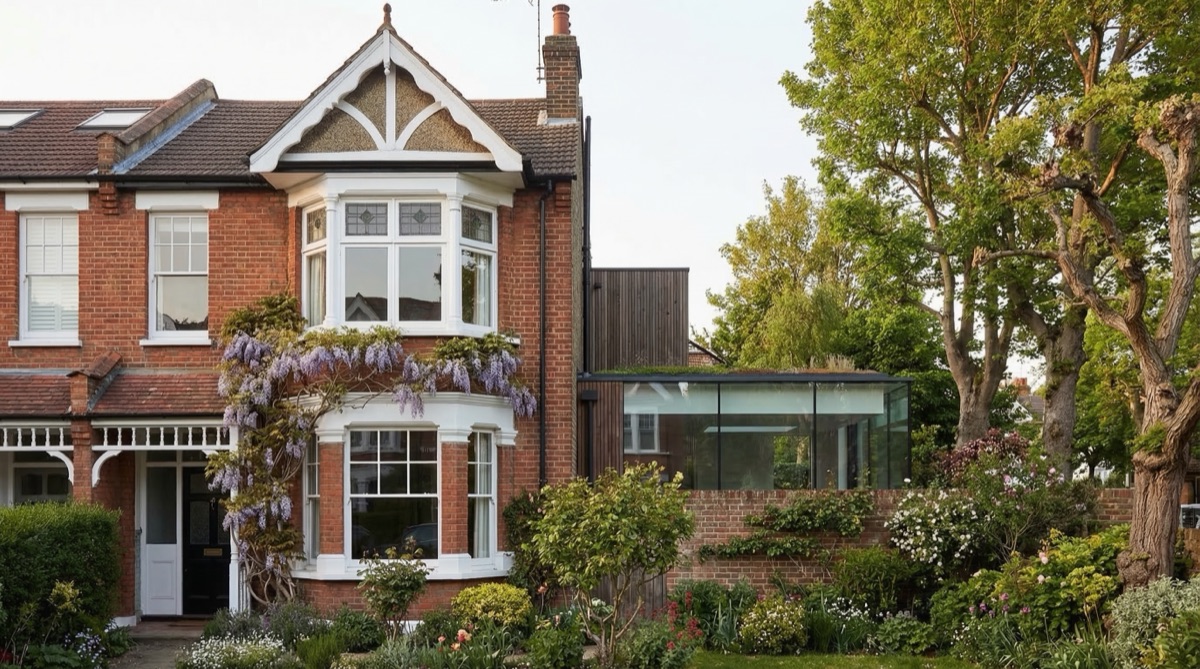
Period Property Extensions: Victorian and Edwardian Conservation
Extend Victorian and Edwardian properties respectfully. Learn about conservation, heritage compliance, material selection, and creating sympathetic modern additions.
Extending Period Properties: Heritage Sensitivity and Modern Comfort
Victorian and Edwardian properties possess distinctive character defining London neighborhoods. Extending these properties requires balancing heritage preservation with providing modern comfort and functionality. This guide explores design approaches, heritage compliance, material selection, and how to create extensions that enhance rather than detract from period properties.
Understanding Period Property Character
Victorian Properties (1837-1901): Characterized by ornate detailing, multiple chimney stacks, high ceilings, distinctive window forms, varied materials, and complex proportions. Victorian character comes from specific details, proportions, and materials. Successful extensions respect these characteristics.
Edwardian Properties (1901-1920): Generally simpler than Victorian, featuring cleaner lines, less ornament, quality craftsmanship, sympathetic proportions, and dignified appearance. Edwardian character is more restrained but equally important to respect.
Heritage Constraints on Extensions
Listed Building Status: Most period properties are listed, requiring Listed Building Consent for modifications. Consent requirements are strict, with planning authorities rejecting designs considered harmful to heritage value. Professional heritage design understanding local policies is essential.
Conservation Area Location: Properties in conservation areas face additional planning constraints ensuring new buildings respect area character. Conservation area policies vary widely between different London neighborhoods.
Successful Design Approaches for Period Properties
Contextual Design: Understand existing building character — proportions, materials, details, spatial relationships — and design extensions respecting these principles. Proportional relationships and material consistency create visual harmony.
Contemporary Contrast: Well-designed contemporary extensions can complement period properties through clear distinction rather than attempting to mimic historic styles. Modern materials and forms, when well-designed, can create respectful contrast.
Rear Extension Advantage: Locating extensions at the rear (not visible from street) minimizes heritage concerns while providing modern space. Rear extensions avoid street-facing design challenges that front extensions create.
Material Selection for Period Properties
Matching Historic Materials: The most straightforward approach uses historic materials: continuation of existing brickwork, stone or rendered finishes, timber windows. Material matching requires careful specification ensuring color, texture, and appearance consistency.
Reclaimed Materials: Using salvaged bricks, stone, or timber creates authentic material matching while promoting sustainability. Salvage suppliers provide materials matching historic properties.
Modern Reinterpretation: Contemporary materials (modern brick, render systems, metal) can work within heritage context if well-designed and appropriately proportioned. This approach requires sophisticated design understanding heritage principles while expressing contemporary design.
Window and Door Heritage Compliance
Traditional Forms with Modern Performance: Modern glazing systems can replicate traditional window forms (timber sashes, multi-pane casements) while providing efficient double glazing. These balance heritage appearance with contemporary performance.
Proportional Consistency: Window proportions (height-to-width ratios) should respect existing patterns. Oversized windows or significantly different proportions create visual discord.
Structural Work in Period Properties
Structural Challenges: Period properties often have: shallow foundations unsuitable for modern loads, deteriorated structural elements requiring repair, potentially unstable masonry, and complex existing structures. Comprehensive structural surveys are essential before designing extensions.
Modern Requirements vs Historic Fabric: Achieving modern building regulations (thermal performance, ventilation, fire safety) in period properties requires careful integration. Internal insulation, service integration, and modern systems must respect historic elements.
Cost Implications of Period Property Extensions
Period property extensions typically cost 10-20% more than comparable extensions on modern properties due to: heritage design expertise costs, specialist materials and craftspeople, structural repairs often required, careful temporary protection during work, and potentially slower construction due to complexity. However, these costs deliver extensions complementing property value and respecting heritage significance.
Professional Heritage Design Importance
Engaging conservation architects from project outset ensures sensitive design respecting heritage while achieving modern functionality. Professional expertise prevents costly design revisions, planning delays, and heritage concerns compromising projects.
Loft Conversions in Listed Properties
Loft conversions in listed period properties present specific challenges and opportunities. Rear dormers (not visible from street) often gain approval more readily than side or mansard conversions. Traditional dormer forms replicating historic precedents are generally more acceptable than contemporary designs. Specialist listed building consent requirements include: detailed heritage impact assessment, drawings prepared by heritage specialists, careful material specification matching historic properties, and often pre-application consultation with planning authorities. The investment in proper heritage process prevents costly rejections and ensures extensions genuinely enhance rather than compromise heritage properties.
Internal Modifications for Modern Living
Period properties often require internal modifications achieving modern comfort without compromising heritage exteriors. These include: internal insulation (maintaining external appearance while improving thermal performance), discrete service integration (mechanical ventilation, modern heating hidden within historic architecture), careful bathroom and kitchen modernization, and space reconfiguration. Internal work often receives less heritage scrutiny than external changes, allowing substantial functional improvements while preserving historic character.
Garden Rooms and Conservatories in Heritage Properties
Garden rooms and quality conservatories work well in period property gardens, particularly when designed to respect property character. Traditional glazed structures can complement heritage properties, whereas modern glass boxes often jar visually. Material selection (timber frames vs contemporary aluminum), proportional relationships, and setback from main building all influence planning acceptance. Sensitive design creates garden structures that enhance rather than dominate period properties.
Party Wall Compliance in Period Properties
Most period property extensions affect party walls, requiring party wall surveyor involvement in terraced and semi-detached properties. Surveyors manage the technical requirements while being sensitive to period property construction. Historic properties often have unusual party wall configurations requiring specialist expertise. Professional party wall management ensures compliance while respecting historic fabric.
Long-Term Heritage Conservation Through Extensions
Thoughtfully designed extensions can ensure period properties remain viable for long-term residence, preventing conversion to subdivided flats or other unsympathetic uses. By providing modern comfort (improved insulation, heating, plumbing) while respecting heritage, extensions help preserve properties in their original form. Extensions financing better maintenance and preventing heritage neglect can be viewed as conservation investment ensuring properties thrive for future generations.
Successful Heritage Extensions: Key Principles
Understand Existing Character: Thorough understanding of period property principles guides sensitive design respecting heritage while providing modern space.
Quality Design and Materials: Period properties merit high-quality extensions using superior materials and careful detailing. Quality design reflects heritage significance while standing the test of time.
Professional Heritage Expertise: Conservation architects understand heritage principles and guide sensitive extension design avoiding costly planning complications.
Long-Term Perspective: Heritage extensions benefit from long-term perspective. Quality design and materials create extensions aging beautifully alongside historic properties, enhancing rather than detracting from heritage significance.
Start Your Period Property Extension
Period properties deserve thoughtful, sensitive extension design respecting their heritage while providing modern comfort. Contact us to discuss your period property extension plans. Our conservation architects understand heritage principles and guide sensitive design achieving both historic respect and modern functionality. Call 020 3051 9430 or request a free consultation.
Modern Services Integration in Historic Properties
Period properties often lack modern services or have outdated infrastructure requiring replacement. Extensions provide opportunities to upgrade heating (replacing Victorian fireplaces with modern heat pumps), introduce mechanical ventilation ensuring air quality, upgrade electrical systems to current standards, and integrate plumbing efficiently. Modern services in extensions can remain visually discreet (hidden in cabinetry, routed through concealed chases) maintaining heritage appearance while delivering contemporary functionality. This integration allows period properties to achieve modern comfort without compromising historic character.
Working With Heritage Conservation Officers
Heritage conservation officers manage planning decisions affecting listed buildings and conservation areas. Building positive relationships with conservation officers is invaluable for period property extensions. Early engagement before formal applications allows discussion of proposed approaches, identification of concerns, and design refinement addressing conservation priorities. Conservation officers can provide specific guidance on acceptable forms, materials, detailing, and heritage assessment requirements. Many extensions receive approval streamlined through pre-application consultation compared to applications proceeding without prior officer engagement. Respecting conservation concerns and demonstrating genuine heritage commitment increases approval likelihood while creating better-designed extensions respecting heritage principles.
Planning Officer Consultation for Period Properties
Pre-application consultation is particularly valuable for period property extensions. Early dialogue with conservation officers identifies approval concerns before investment in detailed design. Many conservation officers are supportive of sensitive extensions that solve modern comfort problems while respecting heritage. Early consultation can streamline approval processes and improve outcomes compared to applications proceeding without prior engagement. Planning officers often provide specific guidance on acceptable extension forms, materials, and details saving months of potential redesign cycles.
Explore More House Extension Design Options
Related Articles
Comprehensive guide to house extension planning permission in 2024. Learn about costs, timelines, planning applications, and what to expect from professional house extension specialists.
Discover the key advantages of choosing professional house extension services. From cost savings to creative solutions, learn why specialists are essential for successful projects.
Complete guide to house extension costs in the UK. Learn about fee structures, budgeting tips, and how to get maximum value from your house extension investment.
Ready to Get Started?
Home Extensions Now Team
Our expert team of architectural design specialists brings decades of combined experience in UK house extension design and planning services for residential and commercial projects. We're committed to providing clear, actionable insights to help you make informed decisions about your home extension projects.
Ready to Plan Your Home Extension?
Whether you're planning a single-storey extension, renovation project, or complete home redesign, our house extension design solutions can help you build quickly and confidently.