Wrap Around Extension London: Complete Design & Costs Guide
Create ultimate extension combining side return and rear space. Learn about wrap-around extension costs, design strategies, planning, and transforming London terrace homes.
Wrap-Around Extensions: The Ultimate Transformation
Wrap-around extensions combine side-return infill with rear extensions, creating comprehensive transformation of London terraced properties. These ambitious projects create open-plan kitchen-dining-living spaces of 30-50sqm, substantially changing how families live and interact in their homes. This guide explores wrap-around costs, design strategies, planning requirements, and how to create exceptional combined extensions.
What Is a Wrap-Around Extension?
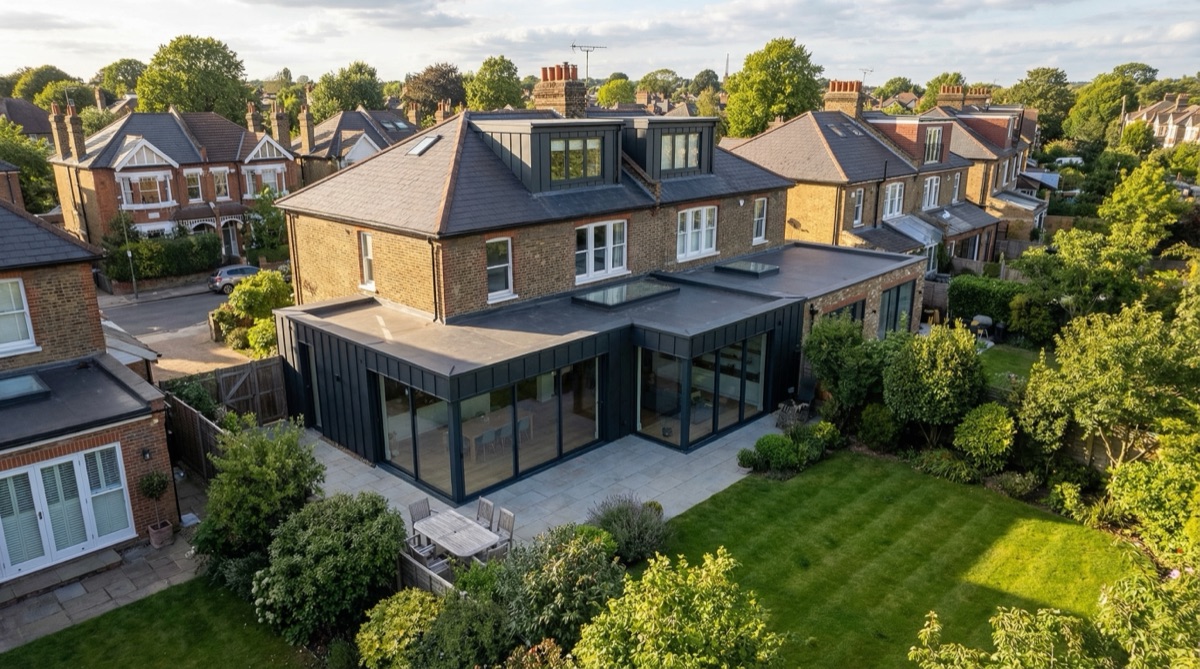
A wrap-around extension combines: infilling the side return (narrow alleyway), extending the rear of the property, and creating unified open-plan ground floor space. Rather than two separate extensions, wrap-around design creates integrated, flowing living space encompassing kitchen, dining, and living zones. This unified approach delivers greater functionality and visual impact than separate side and rear extensions.
Wrap-Around Extension Costs 2026
Standard Wrap-Around (35-45sqm): £70,000-100,000 combining side-return and rear work with mid-range finishes and standard kitchen.
Premium Wrap-Around (45-50sqm): £100,000-150,000 with premium finishes, high-end kitchen, underfloor heating, and sophisticated lighting design.
Wrap-around projects typically cost less per square metre than separate side and rear extensions because foundation and structural work are integrated, reducing redundancy.
Design Excellence in Wrap-Around Extensions
Open-Plan Layout: Wrap-around extensions inherently create open-plan by removing walls between kitchen, dining, and living areas. This modern, flexible layout suits contemporary living. Define different zones through subtle changes in flooring, ceiling height, or furniture arrangement.
Light and Connection: Combining side and rear creates multiple light sources: skylights/roof lanterns in side return, windows/glazed doors along rear. This dual light strategy creates bright, welcoming spaces.
Kitchen Island as Focal Point: Large wrap-around spaces suit generous kitchen islands. Islands provide work surface, storage, and dining, becoming the natural focal point organizing the open-plan space.
Dining Integration: Wrap-arounds accommodate separate dining zones (side return often becomes dining), distinct from kitchen and living areas, creating natural space organization.
Planning Considerations for Wrap-Arounds
Wrap-around extensions may require planning permission if rear extension exceeds permitted development limits (3m for terraced). Side returns typically don't require permission. Professional assessment determines planning status. Even where permitted development applies, building regulations approval is required. Early planning review clarifies requirements and identifies any constraints.
Structural Complexity and Costs
Wrap-arounds often involve removing load-bearing walls between kitchen and extended space. Structural engineers design beams allowing removal while maintaining safety. Temporary support during work, structural engineering design, and quality installation add cost but are essential for safety and regulations compliance.
Maximizing Wrap-Around Value
Well-designed wrap-arounds add significant property value, typically recovering 80-100% of investment. Value comes from: substantial additional space, modern open-plan living, improved light and connection to garden, enhanced functionality, and dramatically improved daily living experience. Wrap-arounds represent major property transformations delivering lasting value.
Structural Considerations for Wrap-Arounds
Wrap-around extensions often involve removing load-bearing walls between kitchen and extended space, creating open-plan. Structural engineers design beams (typically steel) allowing removal while maintaining safety. The beam design depends on loads above and wall configuration. Work often requires temporary support propping while the beam is installed. Quality structural design and execution are critical — inadequate structure can result in cracking, movement, and safety issues. Professional structural engineers work with builders during construction ensuring proper installation and monitoring.
Party Wall Compliance for Wrap-Arounds
Wrap-around work affecting party walls requires party wall surveyor involvement. The party wall matters can be complex when work involves both side return and rear components. Professional party wall surveyors manage the process, serving notices on neighbors, appointing surveyors if required, and overseeing work to minimize disturbance. Though party wall processes add cost (£800-1,500), they protect all parties and prevent disputes that could delay or disrupt projects.
Kitchen Design in Wrap-Arounds
Wrap-around extensions provide space for exceptional kitchen design. Large kitchen islands serve multiple purposes: food preparation, informal dining, and social hub. Peninsula layouts extending into the dining area create natural separation while maintaining openness. Generous appliance placement avoids cramping kitchen in corner. Abundant storage in cabinetry and island reduces visible clutter. Professional kitchen design transforms the expanded space into genuinely functional, beautiful cooking and entertaining zone. Bespoke cabinetry and high-quality appliances justify the scale of wrap-around investment.
Outdoor Connection and Garden Flow
Wrap-arounds excel at connecting indoor and outdoor spaces. Full-width bi-fold doors (up to 6 metres) opening the rear elevation create seamless transitions to garden. Consistent flooring inside and out, flush thresholds, and coordinated material finish unify spaces. The result is a sense of expanded living that includes the garden as an extension of interior space. Summer entertaining becomes natural, as guests flow freely between interior and exterior. This connection to nature and outdoor space is highly valued by homeowners and adds substantial property appeal.
Timeline and Project Management
Wrap-around projects typically take 4-6 months from start to completion: 2-4 weeks for site setup and excavation, 6-8 weeks for structure and roof, 6-8 weeks for finishes including kitchen and bathrooms, plus planning and building regulations periods. The extended timeline requires careful project management keeping work on schedule and budget. Professional project managers coordinate multiple trades, manage material deliveries, and monitor quality throughout the process.
Typical Wrap-Around Project Timeline
Most wrap-around extension projects progress through predictable phases spanning 6-9 months total. Design and planning typically require 8-12 weeks including concept design, detailed drawings, and planning/building regulations approval. Construction preparation and site setup takes 2-3 weeks. The construction phase spans 14-18 weeks covering structural work, roof completion, MEP systems, and finishing. Final fit-out including kitchen installation and decorating requires 4-6 weeks. Proper timeline planning with contingency prevents pressure to rush, ensuring quality outcomes.
Wrap-Around Design Variations
Wrap-arounds can be configured to suit different property constraints and aspirations: L-shaped (rear extension with side return creating L-footprint), U-shaped (wrap around three sides if space permits and planning allows), stepped designs (different ceiling heights creating visual interest), or vaulted designs with skylights. Each configuration offers different advantages depending on property characteristics. Professional design explores options before settling on optimal solution.
ROI and Property Value Impact
A £120,000 wrap-around extension typically increases property value by £150,000-180,000, delivering significant ROI. Value uplift reflects: substantial additional space, modern open-plan living appeal, improved kitchen functionality, enhanced light and garden connection, and transformation of the overall living experience. Wrap-arounds appeal to growing families and homeowners valuing space and light. The investment typically positions properties for premium selling prices relative to comparable properties without extensions.
Wrap-Around in Conservation Areas
Wrap-around extensions in London Conservation Areas require careful design respecting local character while delivering modern functionality. Conservation officers review both side and rear elements for impact on the street character and local setting. Professional conservation design understands policies and creates extensions that enhance rather than detract from conservation areas. Though conservation areas add design complexity, thoughtfully designed wrap-arounds can be approved and often create particularly attractive results respecting local context.
Neighbor Considerations and Party Walls
Wrap-arounds typically involve party wall work requiring surveyor agreements. Early neighbor communication is essential — well-designed extensions respecting neighbor amenity typically face less opposition than poor designs. Key neighbor concerns include: loss of light, privacy impacts, construction noise/disruption, and visual impact. Professional design addresses these concerns through: appropriate siting and proportioning, windows positioned to minimize overlooking, noise management during construction, and aesthetic quality demonstrating respect for the surroundings. Many neighbors accept quality extensions when designers demonstrate thoughtful consideration of impact.
Kitchen Fit-Out and Appliance Selection
Wrap-around extensions typically accommodate premium kitchen installations given the space and investment scale. Generous kitchens suit: substantial islands with integrated appliances, multiple work zones, high-end equipment, premium finishes, and sophisticated storage. Kitchen fit-out represents 20-30% of extension costs. Specification decisions (bespoke cabinetry vs standard units, appliance quality levels) significantly impact perceived quality and long-term satisfaction. Professional kitchen design maximizes functionality within the available geometry, ensuring efficient workflow and attractive aesthetics.
Outdoor Integration and Garden Connection
Successful wrap-arounds maximize connection to outdoor space through: extensive glazing and bi-fold doors opening the interior to gardens, outdoor furniture continuity extending living space to terraces, and considered transitions between interior and exterior. The designed garden becomes extension of the interior space — planting, hardscaping, and materials should complement interior finishes. Properties with well-designed indoor-outdoor flow command premium values and deliver superior quality of life compared to extensions oriented away from gardens.
Explore More House Extension Design Options
Related Articles
Comprehensive guide to house extension planning permission in 2024. Learn about costs, timelines, planning applications, and what to expect from professional house extension specialists.
Discover the key advantages of choosing professional house extension services. From cost savings to creative solutions, learn why specialists are essential for successful projects.
Complete guide to house extension costs in the UK. Learn about fee structures, budgeting tips, and how to get maximum value from your house extension investment.
Ready to Get Started?
Home Extensions Now Team
Our expert team of architectural design specialists brings decades of combined experience in UK house extension design and planning services for residential and commercial projects. We're committed to providing clear, actionable insights to help you make informed decisions about your home extension projects.
Ready to Plan Your Home Extension?
Whether you're planning a single-storey extension, renovation project, or complete home redesign, our house extension design solutions can help you build quickly and confidently.